
Buy clomid fast delivery without prescription
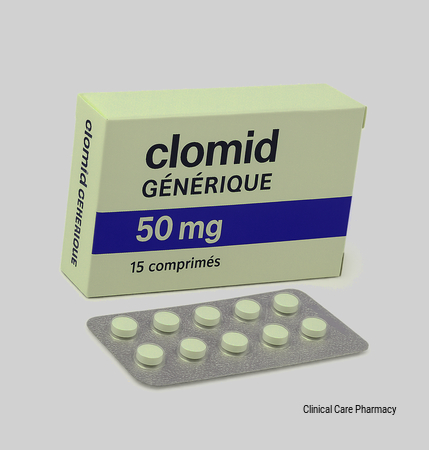
- Is clomid available without prescription in the UK?
- What does Pharmacy medicine mean in the UK?
- General information about clomid
- How clomid works
- Price and availability information
- Strengths, formulations and pack types
- Indications for clomid
- UK legal classification: GSL, P and POM
- Alternatives for ovulation induction
- Clomid compared with other fertility medicines
- Food, lifestyle and exercise considerations
- Side effects and tolerability
- Long-term use and monitoring
- Warnings, contraindications and interactions
- Additional information about clomid
Is clomid available without prescription in the UK?
Clomid (clomiphene citrate) is classified as a Prescription Only Medicine (POM) in the UK. This means it cannot be legally supplied or sold without a valid prescription from a qualified healthcare professional. Unlike over-the-counter treatments for minor ailments, clomid requires clinical assessment before use due to its potent effects on reproductive hormones and ovulation.
Some online pharmacies claim to offer “clomid without prescription” or “fast delivery without prescription”, but these services operate outside UK regulations and may sell unlicensed or counterfeit products. Patients seeking a legitimate UK supply of clomid must obtain a prescription from their GP, fertility specialist or a registered private clinic. Clinical Care Pharmacy supports prescription-based supply, ensuring genuine products with clear provenance.
What does Pharmacy medicine mean in the UK?
The UK categorises medicines into three principal legal supply classifications: General Sales List (GSL), Pharmacy medicine (P) and Prescription Only Medicine (POM). While GSL and P medicines can be obtained without a prescription, POMs like clomid require a prescription. Pharmacy medicines (P) are available under the supervision of a pharmacist, but they still do not include clomid. Understanding these categories is crucial for safe and legal purchase.
“Over the counter” is sometimes used loosely for both P and GSL products, but clomid remains strictly POM. Patients should always verify the legal status of a medicine before attempting to purchase online or in person.
General information about clomid
What is clomid?
Clomid is the brand name for clomiphene citrate, a selective estrogen receptor modulator (SERM) used primarily to treat anovulation and oligo-ovulation in women who wish to conceive. First developed over five decades ago, clomiphene citrate remains a cornerstone of fertility therapy around the world.
What is clomiphene citrate?
Clomiphene citrate is a non-steroidal compound that binds to estrogen receptors in the hypothalamus, tricking the body into perceiving low estrogen levels. This, in turn, stimulates the release of gonadotrophins (follicle-stimulating hormone [FSH] and luteinising hormone [LH]) from the pituitary gland, promoting follicle development and ovulation.
Why is clomid generic?
Generic clomiphene citrate contains the same active ingredient, clomiphene, and must meet rigorous standards of quality, safety and efficacy. Generic products often offer a cheaper alternative to branded Clomid, reducing treatment cost without compromising on therapeutic effect.
Who sells clomid?
In the UK, registered pharmacies and online providers with appropriate MHRA licences can dispense clomid following a valid prescription. Clinical Care Pharmacy supplies genuine, licensed clomiphene citrate at affordable prices and can help patients navigate dosage, monitoring and follow-up.
Is clomid an abuse risk?
Clomiphene is not a controlled substance under UK law, but misuse of fertility medications carries medical risks. Self-medication without supervision can lead to ovarian hyperstimulation, multiple pregnancies or hormonal imbalance. Always use clomid under professional guidance.
How clomid works
What is the mechanism of action of clomid?
Clomid acts by binding to estrogen receptors in the hypothalamus, blocking negative feedback of circulating estrogen and increasing the pulsatile release of gonadotrophin-releasing hormone (GnRH). Elevated GnRH stimulates the pituitary to secrete FSH and LH, leading to growth and maturation of ovarian follicles and subsequent ovulation.
How long does clomid take to work?
Typically, ovulation induction occurs within 5 to 12 days after starting a 5-day course of clomiphene citrate, usually taken on cycle days 3 to 7 or 5 to 9. Ultrasound monitoring or mid-cycle blood tests can confirm follicular response and optimal timing for intercourse or assisted reproductive procedures.
Does clomid guarantee pregnancy?
Clomid increases the probability of ovulation in anovulatory women from around 15% to over 80% per treatment cycle. However, pregnancy rates vary—often 30% to 40% per ovulatory cycle—depending on factors including age, ovarian reserve, sperm quality and uterine health.
Can men use clomid?
Clomiphene citrate is sometimes prescribed off-label to improve male fertility by boosting endogenous testosterone production via increased gonadotrophin release. Male dosing regimens differ and require specialist supervision.
Is clomid reversible?
Effects of clomiphene citrate on hormone levels are transient. Normal menstrual cycles usually resume soon after discontinuation, and long-term endocrine effects are uncommon if treatment duration is appropriate for the indication.
Price and availability information
How much does clomid cost in the UK?
Prices can vary between branded Clomid and generic clomiphene, between pharmacies, and depending on pack size. Generic clomiphene tablets generally offer cheaper options. At Clinical Care Pharmacy, we strive to provide the most affordable generic clomiphene, with typical course costs starting from around £20 to £30 for a five-day cycle.
Can I buy clomid cheaper online?
Online pharmacies often advertise lower prices due to reduced overheads and bulk purchasing. However, patients must ensure the provider is UK-registered, MHRA-licensed and requires a valid prescription. Beware of sources offering “clomid without prescription” at unusually low prices, as these may supply unverified or substandard products.
Why do prices vary?
Factors influencing cost include:
- Branded versus generic formulation;
- Pack size (e.g. 5, 10 or 25 tablets);
- Supplier discounts and promotions;
- Pharmacy dispensing fees;
- Additional services such as monitoring or consultation.
How to get a prescription?
GPs or private fertility clinics can issue prescriptions following evaluation of medical history, ultrasound scans and hormonal assays. Private consultations may accelerate access but incur additional fees. Once you have a prescription, you can order clomid online from Clinical Care Pharmacy for prompt dispatch.
| Product | Strength | Pack Size | Approximate Price | Notes |
|---|---|---|---|---|
| Branded Clomid | 50 mg | 5 tablets | £35 | Standard dosing cycle, prescription required |
| Generic clomiphene | 50 mg | 5 tablets | £22 | Cheaper generic alternative |
| Generic clomiphene | 50 mg | 10 tablets | £38 | Two-cycle supply option |
Strengths, formulations and pack types
What strengths of clomid exist?
Clomid is typically available in 50 mg tablets. Some manufacturers may market 25 mg tablets or scored 50 mg tablets that can be halved for flexible dosing, but 50 mg is the standard unit dose.
Why is dosing flexibility important?
Dose adjustment allows titration based on ovarian response. Starting doses often range from 25 mg to 50 mg daily, with incremental increases in subsequent cycles if ovulation is inadequate. A lower starting dose may reduce side effects in sensitive patients.
What pack sizes are available?
Packs commonly contain 5 or 10 tablets. A 5-tablet pack covers a single 5-day cycle at 50 mg daily, while larger packs support multiple cycles without repeat dispensing delays.
Are branded and generic tablets identical?
Generic clomiphene citrate contains the same active ingredient and must demonstrate bioequivalence to branded Clomid. Excipients, tablet shape, color and packaging may vary, but clinical efficacy should be equivalent for licensed products.
Indications for clomid
Who can benefit from clomid?
Clomiphene citrate is indicated for women with ovulatory dysfunction, including:
- Polycystic ovary syndrome (PCOS) with anovulation;
- Unexplained infertility associated with anovulation;
- Oligomenorrhea related to hormonal imbalance;
- Off-label uses such as male hypogonadism in specialist settings.
When is clomid not appropriate?
Clomid should not be used by pregnant women, those with primary ovarian failure, uncontrolled thyroid disease, pituitary tumors or liver dysfunction. A full medical evaluation is essential to exclude contraindications.
What are typical success rates?
Ovulation occurs in 75%–85% of properly selected patients. Pregnancy rates per cycle are approximately 30%–40% in first-line treatment but decline with age and in the presence of additional factors such as poor sperm quality or tubal pathology.
UK legal classification: GSL, P and POM
What is a POM?
A Prescription Only Medicine (POM) can only be supplied by a pharmacist against a valid prescription. Clomid falls into this category and cannot be sold as a Pharmacy medicine (P) or GSL product.
Why does clomid require a prescription?
The need for specialist dosing, monitoring of ovarian response, risk of multiple pregnancy and potential adverse effects necessitate medical oversight. Unsupervised use could lead to complications such as ovarian hyperstimulation syndrome (OHSS).
Who regulates clomid classification?
The MHRA (Medicines and Healthcare products Regulatory Agency) in the UK classifies medicines and authorises changes to legal status. Clomid’s POM classification ensures appropriate healthcare professional involvement.
Alternatives for ovulation induction
What other treatments exist?
- Letrozole (an aromatase inhibitor) – off-label but increasingly used for PCOS;
- Metformin – in insulin-resistant PCOS as adjunct therapy;
- Gonadotrophin injections (FSH, hMG) – in specialist fertility clinics;
- In vitro fertilisation (IVF) – for severe or resistant cases;
- Live donor egg or sperm programs – in complex infertility.
Why choose clomid over letrozole?
Clomid remains a first-line agent due to low cost, oral administration and extensive clinical experience. Letrozole may be preferred in patients with poor response to clomiphene or specific PCOS phenotypes.
Clomid compared with other fertility medicines
Clomid vs letrozole
Both medications induce ovulation but via different mechanisms. Letrozole reduces estrogen synthesis, enhancing follicular FSH sensitivity, while clomid blocks estrogen receptors to increase GnRH. Studies suggest similar or superior pregnancy rates with letrozole in PCOS patients, but clomid remains widely used.
Clomid vs gonadotrophins
Injectable gonadotrophin therapies provide direct FSH stimulation and can achieve higher ovulation rates, but carry greater cost, risk of OHSS and require clinic visits. Clomid is simpler and more cost-effective for mild to moderate anovulation.
| Feature | Clomid | Letrozole | Gonadotrophins |
| Administration | Oral tablets | Oral tablets | Subcutaneous/intramuscular injection |
| Cost (per cycle) | £20–£40 | £30–£60 | £150–£500 |
| OHSS risk | Low to moderate | Low | High |
| Monitoring | Ultrasound/blood tests | Ultrasound/blood tests | Intensive clinic monitoring |
Food, lifestyle and exercise considerations
Does diet affect fertility?
Maintaining a balanced diet with adequate proteins, healthy fats, complex carbohydrates, vitamins and minerals can support hormonal balance and ovulatory function. Supplements such as folic acid and inositol may be recommended.
Can exercise help?
Moderate exercise aids weight management and insulin sensitivity, particularly in PCOS. However, excessive or high-intensity training may disrupt menstrual cycles.
Should alcohol and caffeine be limited?
Heavy alcohol consumption can impair fertility and fetal development. Moderate caffeine intake (under 200 mg/day) is generally considered safe but may be reduced during active conception efforts.
Does smoking matter?
Smoking adversely affects ovarian reserve, endometrial receptivity and sperm quality. Cessation is strongly advised for couples seeking pregnancy.
Is stress management important?
Chronic stress can disrupt hypothalamic-pituitary-ovarian axis function. Relaxation techniques, mindfulness and counselling can benefit overall reproductive health.
Side effects and tolerability
What are common side effects?
Clomid side effects vary in frequency and severity. Commonly reported effects include:
- Hot flushes;
- Breast tenderness;
- Headache;
- Visual disturbances (blurring, spots);
- Abdominal discomfort or bloating;
- Mood swings or irritability.
| Frequency | Side effects |
| Very common | Hot flushes, breast tenderness |
| Common | Headache, nausea, abdominal discomfort |
| Uncommon | Visual changes, mood disturbances |
| Rare | Ovarian hyperstimulation, severe allergic reaction |
Can clomid cause multiple pregnancy?
Yes. The risk of twins is approximately 8%–10% per successful cycle, higher than natural conception. Triplets and higher-order multiples are rare but possible. Multiple pregnancies carry increased maternal and fetal risks.
When should side effects prompt medical review?
Serious abdominal pain, rapidly worsening symptoms, significant visual changes, severe mood disturbances or signs of OHSS (abdominal swelling, sudden weight gain, shortness of breath) require immediate medical attention.
Long-term use and monitoring
How many cycles of clomid are recommended?
Generally, treatment is limited to six ovulation induction cycles. Continued use beyond six cycles offers diminishing returns and increased risk of side effects. Assessment by a fertility specialist is advised if conception has not occurred after six cycles.
Why is monitoring important?
Monitoring with pelvic ultrasound and serum estradiol measurements ensures appropriate follicular response, minimises OHSS risk and guides cycle adjustments. It also confirms ovulation and optimises timing for intercourse or insemination.
What happens after stopping clomid?
Most women resume normal menstrual cycles. If conception does not occur, further evaluation may reveal other infertility factors requiring tailored interventions.
Warnings, contraindications and interactions
Who should avoid clomid?
- Pregnant women (known or suspected pregnancy);
- Uncontrolled thyroid or adrenal dysfunction;
- Liver disease or hepatic dysfunction;
- Ovarian cysts unrelated to PCOS;
- Abnormal uterine bleeding of unknown cause;
- Pituitary tumors or adrenal tumors.
Can clomid interact with other medicines?
Drug interactions are uncommon due to hepatic metabolism of clomiphene citrate. However, concurrent hormone therapies, anticoagulants or medications affecting liver enzymes should be reviewed by a pharmacist or physician.
Is clomid safe in pregnancy?
Clomid is contraindicated in pregnancy. If a patient becomes pregnant during treatment, clomid should be discontinued immediately.
What about breastfeeding?
Limited data exist on clomiphene excretion in breast milk. Breastfeeding women should use alternative contraception or defer treatment until weaning.
Additional information about clomid
What does “generic clomiphene” mean?
A generic formulation contains the same active ingredient as branded Clomid and is bioequivalent in terms of efficacy and safety. It may differ in tablet appearance, excipients and packaging.
How to verify genuine clomid?
Check for UK marketing authorisation numbers (PL codes), MHRA logos and secure pharmacy credentials. Clinical Care Pharmacy provides genuine, licensed clomiphene citrate with batch traceability.
Where to find patient leaflets?
Each pack includes a patient information leaflet detailing indications, dosage, side effects, storage and manufacturer details. Electronic versions are available via the electronic Medicines Compendium (emc).
Does this information replace professional advice?
No. This page is for general information only. For personalised advice on clomid dosing, monitoring, side effects and interactions, please speak to a qualified pharmacist or fertility specialist.