
Purchase fluoxetin without prescription generic
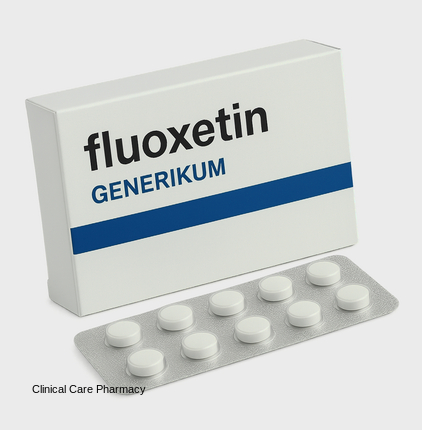
- Is Fluoxetin available without prescription in the UK?
- What does Pharmacy medicine classification mean?
- General information about Fluoxetin
- How Fluoxetin works in the brain
- Price, purchase options and cheap generics
- Strengths, formulations and pack types
- Licensed uses: depression, OCD and beyond
- UK legal categories: GSL, P and POM explained
- Alternatives and combination therapies
- Fluoxetin compared with other SSRIs
- Lifestyle considerations and interactions
- Side effects and tolerability
- Long-term use, dependency and monitoring
- Warnings, contraindications and drug interactions
- Additional information about generic Fluoxetin
Is Fluoxetin available without prescription in the UK?
Yes, specific generic Fluoxetin products have been authorised for sale in the United Kingdom as pharmacy medicines (P) or under a Patient Group Direction. This means you can purchase Fluoxetin without prescription from registered pharmacies like Clinical Care Pharmacy for select indications and short-term initiation, subject to consultation with a pharmacist. It does not imply that all Fluoxetin strengths or pack sizes are non-prescription. Official branded versions and higher strengths remain Prescription Only Medicine (POM).
The introduction of generic Fluoxetin without prescription in the UK reflects an increasing trend toward over-the-counter availability of certain mental health medications, aimed at improving access and reducing waiting times for initial treatment. At Clinical Care Pharmacy we provide fast delivery, discreet packaging and guidance on safe use. If your symptoms persist or if you have complex medical conditions you should consult your GP for a prescription-based plan.
What does Pharmacy medicine classification mean?
The UK classifies human medicines into three categories: Prescription Only Medicine (POM), Pharmacy medicine (P), and General Sales List (GSL). A Pharmacy medicine (P) may be supplied without a prescription but only under the supervision of a qualified pharmacist. This ensures professional advice on proper use, possible side effects, and checks for contraindications.
Fluoxetin as a P medicine must be sold from registered pharmacies. It cannot be offered in supermarkets or general retail stores. In practice, the pharmacist will assess whether Fluoxetin is appropriate for you before you can buy it; this includes reviewing your medical history, any current medicines, and discussing potential risks and benefits.
General information about Fluoxetin
What is Fluoxetin?
Fluoxetin is a selective serotonin reuptake inhibitor (SSRI) used primarily to treat depression, obsessive-compulsive disorder (OCD), bulimia nervosa, and panic disorder. Generic Fluoxetin contains the same active pharmaceutical ingredient as branded Prozac but often at a cheaper price.
Why choose a generic?
Generic Fluoxetin is therapeutically equivalent to the originator product. It undergoes the same regulatory scrutiny for quality, safety, and efficacy. The main differences lie in inactive ingredients, tablet appearance and packaging. Generics normally cost less, making them a cheaper option for patients seeking long-term therapy or self-care without prescription.
Is Fluoxetin addictive?
Fluoxetin is not considered addictive in the way benzodiazepines or opioids are. However, abrupt discontinuation can lead to withdrawal-like symptoms (known as SSRI discontinuation syndrome). For this reason, if you plan to stop, your pharmacist or physician should guide a gradual tapering schedule.
What are the main indications?
UK authorised uses for Fluoxetin include major depressive episodes, long-term maintenance of recurrent depression, OCD, bulimia nervosa and panic disorder. Depending on the product licence, non-prescription supply is typically limited to initiating treatment for mild to moderate depression under pharmacist supervision.
How Fluoxetin works in the brain
Serotonin reuptake inhibition
Fluoxetin selectively inhibits the serotonin transporter (SERT) in presynaptic nerve terminals. By preventing reabsorption of serotonin into presynaptic neurons, it increases serotonin levels in the synaptic cleft. Enhanced serotonergic neurotransmission is thought to improve mood, reduce anxiety and alleviate obsessive-compulsive symptoms.
Onset of action
Unlike sedatives or anxiolytics with rapid onset, SSRIs like Fluoxetin typically require 2 to 4 weeks of continuous use before patients notice a significant improvement in mood or anxiety symptoms. During this period, a pharmacist can advise on adherence strategies and manage emerging side effects.
Duration of effect
Fluoxetin has a long half-life (approximately 4 to 6 days for the parent compound and up to 16 days for its active metabolite, norfluoxetin). This means that Fluoxetin can maintain stable plasma levels with once-daily dosing and may reduce withdrawal risk compared with SSRIs with shorter half-lives.
Therapeutic monitoring
No routine blood level monitoring is required for Fluoxetin in most cases. However, pharmacists and doctors may periodically assess your response, side effects, emotional state, and any emerging risks like suicidality in young adults.
Price, purchase options and cheap generics
How much does generic Fluoxetin cost?
Prices for generic Fluoxetin vary depending on strength, pack size, and retailer. At Clinical Care Pharmacy we offer competitive, low prices and special discounts for bulk orders. Your total cost will include the price of the medicine plus any pharmacist consultation fee required for non-prescription supply.
Why does price vary?
Factors affecting price include:
- Strength (10 mg, 20 mg, 40 mg);
- Pack size (28, 56, 84 tablets);
- Manufacturer and sourcing arrangements;
- Special promotions or generic offers;
- Online vs in-pharmacy purchase.
Order online vs in-person
You can order generic Fluoxetin online through Clinical Care Pharmacy’s secure portal. Our process includes an online pharmacist consultation, discreet shipping, and fast delivery across the UK. Alternatively, you may visit our Derby location to purchase in person without a prescription after pharmacist assessment.
Cheaper alternatives
Other SSRIs available OTC in limited forms include branded escitalopram and generic sertraline under Pharmacy medicine classification. Compare prices, daily dose, and pack sizes to find the cheapest overall cost-per-tablet for your treatment plan.
| Example | Strength | Pack Size | Price | Status |
|---|---|---|---|---|
| Fluoxetin Generic A | 20 mg | 28 tablets | £12.99 | Pharmacy (P) |
| Fluoxetin Generic B | 20 mg | 56 tablets | £19.49 | Pharmacy (P) |
| Fluoxetin Generic C | 10 mg | 28 tablets | £9.99 | Pharmacy (P) |
Strengths, formulations and pack types
What strengths are available?
Fluoxetin is commonly supplied in 10 mg, 20 mg, and 40 mg capsules or tablets. For non-prescription supply, 20 mg capsules are the most frequently authorised strength to initiate therapy.
Formulations and release profiles
Generic Fluoxetin is available as immediate-release capsules or tablets. Some brands may offer coated tablets for ease of swallowing. There are no gastro-resistant or extended-release non-prescription formulations currently authorised in the UK.
Pack size considerations
Pack sizes range from 14 to 84 units. Smaller packs are suitable for initial short-term purchase, while larger packs provide better value per dose for maintenance therapy under prescription. Pack size influences classification and maximum supply duration for OTC sale.
| Feature | Why it matters |
| Strength | Defines daily dose and titration options |
| Formulation | Immediate vs modified release |
| Pack size | Supply duration and cost-per-tablet |
| Legal category | Controls supply route and supervision |
Generic vs branded
Generic Fluoxetin must match the branded reference product in active ingredient, strength, and bioequivalence. Differences in excipients, colour, shape, and packaging do not affect therapeutic effect but may influence personal preference or tolerability.
Licensed uses: depression, OCD and beyond
Major depressive disorder
Fluoxetin is licensed to treat moderate to severe major depressive episodes in adults and adolescents over 12. Non-prescription supply is restricted to mild to moderate symptoms under pharmacist supervision for initial short-term management.
Obsessive-compulsive disorder
For adults with OCD, Fluoxetin can reduce the frequency and severity of obsessions and compulsions. Dose may be titrated up to achieve optimal response; pharmacists may guide initial low-dose administration.
Bulimia nervosa
Fluoxetin is indicated for bulimia nervosa at higher doses (eg. 60 mg daily). Non-prescription supply covers only 20 mg strength and is not typically used at bulimia dosing, so direct prescription is usually needed.
Panic disorder
Fluoxetin effectively reduces panic attacks and associated anticipatory anxiety. A pharmacist can advise gradual dose increase and may recommend prescription follow-up for higher doses.
Off-label uses
Common off-label Fluoxetin uses include social anxiety disorder, premenstrual dysphoric disorder (PMDD) and chronic pain syndromes. Off-label use should be under clinician supervision rather than OTC self-selection.
UK legal categories: GSL, P and POM explained
Prescription Only Medicine (POM)
Most Fluoxetin products, especially higher strengths (40 mg) or extended supplies, remain POM. You need a valid prescription from a GP or specialist to obtain them.
Pharmacy medicine (P)
Certain generic Fluoxetin 20 mg packs have been reclassified to P. This enables self-purchase after pharmacist consultation without a doctor’s prescription. Professional oversight ensures safe use and early identification of contraindications.
General Sales List (GSL)
No Fluoxetin formulation is classified as GSL. All Fluoxetin supplies require either prescription or pharmacy-based supply to manage risk and ensure appropriate use.
Why classifications vary
Factors include intended indication, pack size, maximum treatment duration and the need for ongoing supervision. A 28-tablet pack for short-term depression initiation may be P, whereas a 56-tablet pack for maintenance remains POM.
Regulation by MHRA
The MHRA oversees classification changes and ensures that reclassified products meet safety and efficacy standards for pharmacy sale. The process includes public consultation, expert review and risk assessment.
Alternatives and combination therapies
Other SSRI options
Alternatives include sertraline, citalopram and escitalopram. Each has unique pharmacokinetics, side effect profiles and cost considerations. Your pharmacist can help you compare and choose the optimal generic SSRI.
Non-SSRI antidepressants
These include SNRIs (venlafaxine, duloxetine), tricyclics (amitriptyline) and atypical agents (mirtazapine). Non-prescription use is not authorised for these; prescription supply is required for clinical supervision.
Augmentation strategies
In treatment-resistant depression, medications like lithium, antipsychotics or mood stabilisers may be added. Such regimens are strictly prescription-only and require specialist oversight.
Complementary approaches
Psychological therapies (CBT, counselling), lifestyle modifications (exercise, sleep hygiene) and self-help tools (journals, apps) can enhance the effectiveness of Fluoxetin. Combining pharmacotherapy with psychosocial support often yields better outcomes.
Fluoxetin compared with other SSRIs
What sets Fluoxetin apart?
Fluoxetin’s long half-life makes it less likely to cause withdrawal symptoms if a dose is missed. It may also be dosed once daily in the morning to minimize insomnia or agitation. Other SSRIs have shorter half-lives and may require more careful adherence.
Sertraline vs Fluoxetin
Sertraline is often preferred for patients with gastrointestinal sensitivity because it can be taken with food and has fewer activating side effects. Fluoxetin is more activating and may cause insomnia or jitteriness in some people.
Citalopram and escitalopram
These SSRIs are sometimes considered weight-neutral and have fewer drug interactions. Fluoxetin interacts with several CYP enzymes and requires careful review of concomitant medications.
| Feature | Fluoxetin | Sertraline | Escitalopram |
| Half-life | 4–6 days (active metabolite ~16 days) | 25–26 hours | 27–32 hours |
| Starting dose | 20 mg daily | 50 mg daily | 10 mg daily |
| Common side effects | Insomnia, headache | Diarrhoea, nausea | Dry mouth, fatigue |
| Withdrawal risk | Low | Moderate | Moderate |
Is one SSRI best?
No universal best choice exists. Selection depends on symptom profile, comorbidities, patient preference, past response and drug interaction potential. Pharmacist-led consultation can guide selection of the cheapest and most appropriate generic SSRI online in the UK.
Lifestyle considerations and interactions
Can diet affect Fluoxetin?
Although Fluoxetin is not significantly influenced by food, a balanced diet supports overall mental health. Avoid excessive caffeine or alcohol, which may exacerbate anxiety or interfere with medication metabolism.
Alcohol and Fluoxetin
Alcohol can worsen depression and anxiety, counteracting the benefits of Fluoxetin. Concurrent consumption may also increase drowsiness or impair judgment. It is advisable to limit alcohol intake when starting or adjusting Fluoxetin.
CYP enzyme interactions
Fluoxetin is metabolised by CYP2D6 and can inhibit CYP2C19 and CYP3A4. This may increase levels of medications such as tricyclic antidepressants, beta-blockers, anticoagulants and certain antipsychotics. Inform your pharmacist of all medicines you take.
Herbal supplements
St John’s Wort (Hypericum perforatum) should not be taken with Fluoxetin due to risk of serotonin syndrome. Other supplements like tryptophan or 5-HTP can raise serotonin levels and should be used cautiously.
Pregnancy and breastfeeding
Fluoxetin crosses the placenta and is excreted in breast milk. UK guidelines permit its use if benefits justify risks. Non-prescription supply for pregnant or lactating women requires careful assessment and recommendation to see a prescriber.
Side effects and tolerability
Common side effects
These effects may occur early in treatment and often subside with continued use:
- Nausea;
- Insomnia or sleep disturbances;
- Headache;
- Diarrhoea or loose stools;
- Sexual dysfunction (reduced libido, delayed ejaculation).
Serious adverse reactions
Although rare, serious side effects require immediate attention:
- Allergic reactions (rash, swelling, breathing difficulty);
- Mania or hypomania in bipolar patients;
- Bleeding tendencies, especially with concurrent NSAIDs or anticoagulants;
- Seizures in predisposed individuals.
Monitoring and management
Your pharmacist will counsel on managing mild side effects—such as taking Fluoxetin with food to reduce nausea—and when to seek further medical review. Persistent or severe reactions may require dose adjustment or switching to another SSRI.
Long-term use, dependency and monitoring
Is long-term treatment safe?
Long-term Fluoxetin use is well characterised. Maintenance therapy can prevent relapse of depression or OCD. However, periodic review every 6–12 months is recommended to reassess dose, side effects and ongoing need.
Discontinuation syndrome
While Fluoxetin’s long half-life reduces withdrawal risk, abrupt discontinuation can still cause dizziness, sensory disturbances, irritability or mood changes. A gradual taper helped by your healthcare provider minimizes these symptoms.
Dependency concerns
Fluoxetin does not produce craving or drug-seeking behaviour. Psychological dependence may occur if you fear relapse upon stopping, so plan discontinuation under professional guidance.
Bone health and nutrition
Long-term SSRI use has been linked to slight reductions in bone mineral density. Ensure adequate calcium and vitamin D intake, regular exercise and screening where appropriate.
Warnings, contraindications and drug interactions
Who should not take Fluoxetin?
- Individuals with hypersensitivity to Fluoxetin or any excipients;
- Patients taking monoamine oxidase inhibitors (MAOIs) or within 14 days of stopping an MAOI;
- Those with uncontrolled bipolar disorder (risk of mania);
- Concomitant use with pimozide or thioridazine;
- History of seizure disorders unless under specialist care.
Serotonin syndrome risk
Combining Fluoxetin with other serotonergic agents (triptans, SNRIs, tramadol, linezolid) can lead to serotonin syndrome, a potentially life-threatening condition characterised by agitation, hyperthermia, tremor and autonomic instability.
Bleeding risk
SSRIs inhibit platelet serotonin uptake. When used with anticoagulants (warfarin), antiplatelet drugs or NSAIDs, there is an increased risk of gastrointestinal bleeding. Report any unusual bruising or blood in stool.
Electrolyte disturbances
SSRIs can cause hyponatraemia, particularly in older adults or those on diuretics. Symptoms include confusion, weakness, and seizures. Pharmacist screening can catch risk factors early.
QT prolongation
At high doses, Fluoxetin may prolong the QT interval. Avoid combining it with other QT-prolonging drugs and monitor patients with cardiac risk factors.
Additional information about generic Fluoxetin
What is the significance of “generic”?
Generic Fluoxetin contains the identical active chemical entity as the reference branded product. It meets regulatory requirements for bioequivalence, ensuring the same clinical effect and safety profile at a lower price.
Why may leaflets differ?
Different manufacturers may include varying lists of excipients, pack sizes, marketing authorisations and legal status notes. Always read the specific patient information leaflet supplied with your pack.
Checking exact product information
UK regulatory databases such as the MHRA and the electronic Medicines Compendium (eMC) provide up-to-date information on specific Fluoxetin products, including legal classification, warnings and full prescribing details.
Discreet online ordering
Clinical Care Pharmacy’s online ordering system is secure, confidential and complies with UK pharmacy regulations. We ship in plain packaging with fast delivery across the UK, so you can buy generic Fluoxetin without prescription discreetly and at a cheaper price.
Does this information replace professional advice?
No. The content on this page is for general informational purposes only. For advice tailored to your individual needs, including whether Fluoxetin is appropriate for you, speak directly with our pharmacy team at Clinical Care Pharmacy, Unit 4 Brian Clough Business Centre, 200-222 Cotton Lane, Derby.