
Buy semaglutide cheap online
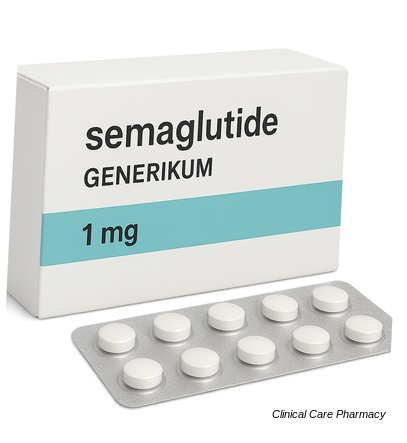
- Is semaglutide available without prescription in the UK?
- What does Prescription Only Medicine mean in the UK?
- General information about semaglutide
- How semaglutide works
- Price and availability information
- Strengths, formulations and pack types
- Uses: diabetes management and weight loss
- UK legal classification: POM
- Alternatives for glycaemic control and weight management
- Semaglutide compared with other GLP-1 agonists
- Diet, lifestyle and administration considerations
- Side effects and tolerability
- Long-term use and monitoring
- Warnings, contraindications and interactions
- Additional information about semaglutide
Is semaglutide available without prescription in the UK?
No. Semaglutide is classified as a Prescription Only Medicine (POM) in the United Kingdom. You cannot legally purchase or obtain semaglutide without a valid prescription from an authorised healthcare professional. However, many online pharmacies offer semaglutide for sale without prescription, which can be risky. Clinical Care Pharmacy does not supply POMs without a prescription. Always ensure you obtain semaglutide through a registered pharmacy with an approved prescription to guarantee authenticity, quality and safe dosing.
What does Prescription Only Medicine mean in the UK?
A Prescription Only Medicine (POM) can only be supplied by a pharmacist or other authorised person in accordance with a prescription issued by an appropriate prescriber, such as a doctor, dentist, or nurse prescriber. This classification ensures that medicines with potential risks, such as semaglutide, are used under professional supervision. The requirement for a prescription helps mitigate safety concerns, monitor dosing, manage side effects, and confirm that the treatment is suitable for the individual’s condition.
General information about semaglutide
What is semaglutide?
Semaglutide is a synthetic peptide analogue of human glucagon-like peptide-1 (GLP-1). It belongs to the drug class of GLP-1 receptor agonists, which enhance glucose-dependent insulin secretion, suppress glucagon release, slow gastric emptying, and reduce appetite. Initially authorised for type 2 diabetes therapy, semaglutide has gained widespread attention for weight management and obesity indications under brand names like Ozempic, Rybelsus, and Wegovy.
What is GLP-1?
GLP-1 is an incretin hormone released by intestinal L‐cells in response to food ingestion. It plays a crucial role in the enteroinsular axis, promoting insulin secretion in a glucose-dependent manner and reducing postprandial blood glucose levels. GLP-1 also impacts satiety centers in the brain, thereby reducing caloric intake and aiding weight loss.
What is the active ingredient?
The active pharmaceutical ingredient in semaglutide preparations is semaglutide itself. Generic versions may differ in excipients, injection device design, stabilisers, and packaging but must meet stringent regulatory requirements for bioequivalence.
Why is semaglutide administered by injection?
Semaglutide is a peptide that would be degraded by gastric acid if given orally. Subcutaneous injection into the abdomen, thigh or upper arm bypasses gastrointestinal degradation and provides a sustained release profile, allowing once-weekly dosing in most formulations. An oral tablet (Rybelsus) uses advanced absorption enhancers but requires strict administration conditions.
Is semaglutide an insulin?
No. Semaglutide is not insulin. It stimulates the body’s own pancreatic beta cells to secrete insulin in response to elevated blood glucose but does not replace insulin therapy. It complements existing diabetes regimens or provides weight management benefits in non-diabetic obesity.
Why is semaglutide used for weight management?
Semaglutide’s central effects on satiety, combined with slowed gastric emptying, lead to a reduced caloric intake and sustained weight loss. Clinical trials have shown that semaglutide can achieve significant weight reduction compared with placebo, making it a valuable prescription option for obesity management when lifestyle changes alone are insufficient.
How semaglutide works
What is the GLP-1 receptor?
The GLP-1 receptor is a G‐protein coupled receptor expressed on pancreatic beta cells, certain brain regions, and gastrointestinal tissues. Activation of this receptor by semaglutide enhances insulin secretion, reduces glucagon release, and modulates appetite-regulating centers in the hypothalamus.
How does semaglutide influence insulin and glucagon?
Semaglutide increases insulin release in a glucose-dependent manner, reducing the risk of hypoglycaemia. It simultaneously decreases glucagon secretion when glucose levels are elevated, improving postprandial glycaemic control.
Does semaglutide affect gastric emptying?
Yes. Semaglutide slows gastric emptying, which blunts the postprandial blood glucose spike and promotes early satiety. This mechanism also contributes significantly to weight loss effects observed with long-term therapy.
Why is the effect glucose-dependent?
Glucose-dependence means insulin secretion increases only when blood glucose is high, lowering the risk of hypoglycaemia compared with non-glucose-dependent agents. This safety profile is a key advantage of GLP-1 receptor agonists in diabetic management.
Can semaglutide treat every cause of raised blood sugar?
No. Semaglutide is approved only for type 2 diabetes and obesity under specific indications. It does not replace insulin in type 1 diabetes and is not indicated for other endocrine disorders. Individual treatment decisions depend on the underlying pathophysiology.
Does semaglutide reverse underlying insulin resistance?
Semaglutide addresses hyperglycaemia and weight by enhancing insulin sensitivity indirectly through weight loss and improved beta-cell function. It does not directly cure insulin resistance but can ameliorate metabolic factors contributing to type 2 diabetes.
Price and availability information
How much does semaglutide cost in the UK?
Semaglutide prices vary widely based on brand, pack size, formulation (injectable pen versus oral tablet), and whether the product is sourced through the NHS, private prescription, or online purchase. Clinical Care Pharmacy provides transparent pricing for generic and branded semaglutide preparations. Speak to our team for current price lists, special offers, and order discounts.
Why can prices vary between providers?
Prices reflect factors such as brand licensing, distributor mark-ups, pharmacy dispensing fees, and promotional offers. Generic semaglutide is often cheaper than branded products but must meet the same quality and efficacy standards. Comparing offers online can help identify cheaper or discounted options without compromising safety.
| Example | Formulation | Dosage | Price (GBP) | Status | Note |
|---|---|---|---|---|---|
| Generic Semaglutide A | Pre-filled pen | 0.25 mg – 2.0 mg/week | Not stated | Prescription required | Order online with valid prescription |
| Branded Wegovy | Pre-filled pen | 2.4 mg/week | Not stated | Prescription required | Approved for weight management |
| Branded Ozempic | Pre-filled pen | 0.25 mg – 1.0 mg/week | Not stated | Prescription required | Approved for type 2 diabetes |
| Rybelsus | Oral tablet | 3 mg, 7 mg, 14 mg daily | Not stated | Prescription required | First oral GLP-1 agonist |
Strengths, formulations and pack types
What strengths of semaglutide exist?
Semaglutide is available in multiple dose strengths for weekly injection pens (0.25 mg, 0.5 mg, 1.0 mg, 1.7 mg, 2.4 mg) and daily oral tablets (3 mg, 7 mg, 14 mg). Dose escalation schedules reduce gastrointestinal side effects and optimise glycaemic response or weight reduction.
What formulations are available?
Approved formulations include pre-filled injectable pens with single or multiple doses and oral tablets with advanced absorption enhancers. Each presentation has specific instructions regarding dose administration, storage, and handling.
Why does pack size matter?
Pack sizes determine how many weekly doses or daily tablets are provided. Prescribers choose pack sizes matching the titration schedule and intended treatment duration. Larger packs may offer price advantages but require stable dosing and storage arrangements.
| Feature | Why it matters |
| Active ingredient | Ensures clinical efficacy |
| Strength | Affects dose titration and outcomes |
| Formulation | Injection versus oral impacts adherence |
| Pack size | Aligns with prescription duration |
| Legal category | Prescription only supply |
Are generic and branded semaglutide identical?
Generic semaglutide contains the same active peptide and must demonstrate bioequivalence to reference products. Differences lie in device design, excipient composition, and packaging. Regulatory approval ensures that generic versions meet rigorous safety and efficacy standards.
Uses: diabetes management and weight loss
What is type 2 diabetes?
Type 2 diabetes is a metabolic disorder characterised by insulin resistance, impaired insulin secretion, and hyperglycaemia. GLP-1 receptor agonists like semaglutide improve glycaemic control by enhancing insulin release and reducing glucagon.
What is obesity and weight management?
Obesity involves excess body fat accumulation with associated health risks such as cardiovascular disease and diabetes. Semaglutide, under weight management authorisation, promotes significant weight loss when combined with lifestyle interventions.
What are the approved indications?
Semaglutide injectable pens are authorised for: – Improving glycaemic control in adults with type 2 diabetes – Chronic weight management in adults with obesity (BMI ≥30 kg/m²) or overweight with comorbidities (BMI ≥27 kg/m²) Rybelsus tablets are authorised solely for type 2 diabetes management.
Is off-label use common?
Some prescribers may use semaglutide off-label for indications like polycystic ovary syndrome (PCOS) or non-alcoholic fatty liver disease, but such uses should follow clinical guidelines and individual risk-benefit assessments.
Who qualifies for semaglutide weight therapy?
Adults with appropriate BMI thresholds who have tried lifestyle modifications. Treatment requires regular monitoring, dietary counselling, and follow-up to assess efficacy and tolerability.
UK legal classification: POM
What is a POM?
A Prescription Only Medicine (POM) is supplied only with a valid prescription. Semaglutide’s classification ensures professional oversight of dosing schedules, side effect monitoring, and prescription renewals.
Why is semaglutide POM?
Semaglutide has potent metabolic effects and potential risks such as gastrointestinal symptoms, pancreatitis risk signals, and thyroid C-cell changes observed in rodents. Professional supervision is essential to identify contraindications and adverse reactions early.
Can semaglutide be reclassified?
There are no current plans to move semaglutide from POM to a less restricted category, given its pharmacological profile and need for ongoing monitoring.
Who regulates POM classification?
The Medicines and Healthcare products Regulatory Agency (MHRA) oversees classification, ensuring that medicines with significant risk or complexity remain under medical supervision.
Alternatives for glycaemic control and weight management
What other drug classes exist?
- Metformin;
- SGLT2 inhibitors;
- DPP-4 inhibitors;
- Insulin analogues;
- Other GLP-1 receptor agonists (dulaglutide, lixisenatide, exenatide);
- Orlistat for obesity;
- Combination therapies.
Why choose semaglutide over alternatives?
Semaglutide has shown superior HbA1c reduction and weight loss in head-to-head trials compared with other GLP-1 agonists. It offers once-weekly dosing convenience and robust effects on both glycaemia and body weight.
When might alternatives be preferable?
Patients intolerant to GLP-1 agonists, or with contraindications such as a history of medullary thyroid carcinoma, may require alternative therapies. Cost considerations and renal function also guide choice.
Semaglutide compared with other GLP-1 agonists
How does semaglutide compare with dulaglutide?
Both are once-weekly GLP-1 receptor agonists. Semaglutide has demonstrated greater reductions in HbA1c and body weight in comparative studies. Dulaglutide may have a slightly lower incidence of gastrointestinal side effects in some patients.
How does semaglutide compare with exenatide?
Exenatide is given twice daily or once-weekly in extended-release form. Semaglutide’s once-weekly dosing and stronger metabolic effects often translate to better adherence and outcomes.
| Feature | Semaglutide | Dulaglutide | Exenatide |
| Drug class | GLP-1 receptor agonist | GLP-1 receptor agonist | GLP-1 receptor agonist |
| Dosing | Weekly injection | Weekly injection | Daily or weekly |
| Glycaemic control | Superior in trials | Moderate | Moderate |
| Weight loss | Significant | Modest | Modest |
| GI side effects | Common | Variable | Common |
Is one GLP-1 agonist always better?
No. Choice depends on individual patient response, risk factors, side effect profiles, cost, device preference, and coexisting medical conditions.
Diet, lifestyle and administration considerations
Can diet influence semaglutide effects?
Balanced meals with controlled carbohydrate content complement semaglutide’s glycaemic effects. High-fibre diets may help mitigate gastrointestinal side effects.
How should semaglutide be administered?
Inject immediately after mixing (if required), rotating injection sites to prevent lipohypertrophy. Oral tablets require fasting administration and avoidance of other oral medications for 30 minutes.
Does alcohol affect semaglutide?
Alcohol may worsen gastrointestinal side effects and impact glycaemic control. Moderate consumption is recommended under supervision.
Can physical activity enhance outcomes?
Regular exercise synergises with semaglutide to improve insulin sensitivity, cardiovascular health, and weight management.
Does timing matter?
Weekly injections should be administered on the same day each week. Tablets should follow fasting protocol. Consistent timing promotes stable drug levels and effects.
Side effects and tolerability
Can semaglutide cause side effects?
Yes. Common side effects include nausea, vomiting, diarrhoea, constipation, abdominal pain, and dyspepsia. Most are mild to moderate and transient, often decreasing after dose escalation.
| System | Examples |
| Gastrointestinal | Nausea, vomiting, diarrhoea, constipation |
| Central | Headache, fatigue |
| Endocrine | Hypoglycaemia (when combined with insulin or sulfonylureas) |
| Injection site | Reaction, erythema, pruritus |
| Rare | Pancreatitis, gallbladder disease, acute renal impairment |
Can allergic reactions occur?
Yes. Hypersensitivity reactions are rare but may involve rash, itching, or anaphylaxis. Seek urgent medical attention if severe allergic symptoms develop.
Why do product leaflets list rare effects?
Regulators require inclusion of all known or suspected adverse events, even if very rare, so healthcare professionals and patients can monitor and report new safety signals.
Are long-term risks different?
Long-term use has raised concerns about medullary thyroid carcinoma risk in rodents and changes in pancreatic histology. Ongoing monitoring and risk assessment are integral to chronic therapy.
Long-term use and monitoring
Why is monitoring required?
Regular assessment of glycaemic control, weight, renal function, and gastrointestinal tolerance is essential to optimise dosage and detect adverse effects early.
What parameters are monitored?
HbA1c, fasting glucose, body weight, renal profile, liver enzymes, and thyroid function markers when clinically indicated.
Can therapy be indefinite?
Long-term use may be appropriate for chronic diseases but should be periodically reviewed. Persistent weight gain or adverse effects may warrant dose adjustment or therapy change.
Why might doses change?
Glycaemic response, weight loss plateau, or tolerability issues inform escalation from initiation doses (0.25 mg weekly) to maintenance doses (1.0 mg – 2.4 mg weekly).
Warnings, contraindications and interactions
Who should avoid semaglutide?
- History of medullary thyroid carcinoma or MEN2 syndrome;
- Pregnant or breast-feeding women;
- Severe gastrointestinal disease (gastroparesis, inflammatory bowel disease);
- Severe renal impairment requiring dialysis;
- History of pancreatitis;
- Patients on interacting medications requiring careful dose adjustment.
Can semaglutide interact with other medicines?
Yes. Semaglutide can slow gastric emptying, affecting absorption of orally administered medicines. Adjust doses of insulin-secretagogues to reduce hypoglycaemia risk. Monitor warfarin and other narrow therapeutic index drugs for altered absorption.
Why is thyroid monitoring important?
Rodent studies showed C-cell tumours; although human relevance is unclear, symptoms like neck lump or dysphagia warrant evaluation and discontinuation if necessary.
What about pregnancy and breastfeeding?
Semaglutide is contraindicated in pregnancy. Women of childbearing potential should use contraception during therapy and discontinue at least two months before planned pregnancy. Breastfeeding safety has not been established.
Can semaglutide affect cardiovascular risk?
Cardiovascular outcome trials in type 2 diabetes have shown semaglutide reduces major adverse cardiovascular events. However, individual risk factors and comorbidities should guide therapy.
Additional information about semaglutide
What does “generic semaglutide” mean?
A generic semaglutide product contains the same active peptide sequence as branded preparations, meeting regulatory standards for quality, safety and efficacy. Differences in excipients or pen design do not affect the active mechanism of action.
Why can two semaglutide pens look different?
Manufacturers may use different pen devices, materials, colours and instructions while maintaining dose accuracy and sterility requirements. Always follow the specific device instructions included with your prescription.
Why check exact product information?
Each authorised product includes a Summary of Product Characteristics and patient information leaflet detailing indications, dosing schedules, side effects, contraindications and storage conditions. Verify these documents before using semaglutide.
Where can UK medicine information be verified?
Reliable sources include the MHRA, electronic Medicines Compendium (emc), NICE guidelines, and pharmacist or prescriber advice. Online information should never replace professional consultation.
Does this information replace advice from a pharmacist?
No. This page is published by Clinical Care Pharmacy, Unit 4 Brian Clough Business Centre, 200-222 Cotton Lane, Derby, for general information only. For advice tailored to your situation, speak to our qualified pharmacy team or prescribing doctor.