
Purchase fluoxetin cheap best price
- Is fluoxetin available without prescription in the UK?
- What does Prescription Only Medicine mean in the UK?
- General information about fluoxetine
- How fluoxetine works
- Price and availability information
- Strengths, formulations and pack types
- Indications: depression, OCD, anxiety and more
- UK legal classification: POM, Pharmacy (P) and GSL
- Alternatives for depression and anxiety treatment
- Fluoxetine compared with other SSRIs and antidepressants
- Food, alcohol and lifestyle considerations
- Side effects and tolerability
- Long-term use and excessive exposure
- Warnings, contraindications and interactions
- Additional information about fluoxetine 20 mg
Is fluoxetin available without prescription in the UK?
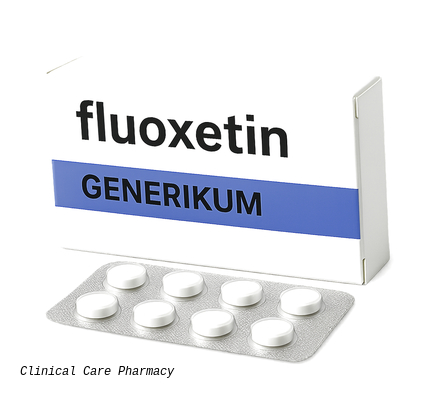
Fluoxetine (often marketed as fluoxetin in generic form) is classified as a Prescription Only Medicine (POM) in the United Kingdom. This means that you cannot legally purchase or obtain fluoxetine 20 mg or any other strength without a valid prescription from a qualified healthcare professional, such as a general practitioner or psychiatrist. SSRI antidepressants like fluoxetine require medical assessment due to their specific dosing regimens, potential interactions, contraindications, and the need for monitoring response and adverse reactions. While some over-the-counter remedies target milder symptoms of low mood or anxiety, they do not substitute for fluoxetine’s proven efficacy in conditions such as major depressive disorder, obsessive-compulsive disorder, bulimia nervosa, panic disorder, and other licensed indications.
Even though fluoxetine is available as a generic alternative to branded options, the regulatory framework governing SSRIs remains unchanged. Clinical Care Pharmacy adheres strictly to the MHRA guidelines, ensuring that fluoxetine is supplied only after appropriate clinical evaluation and in line with the patient’s medical needs. Attempting to acquire fluoxetine from unregulated sources or online pharmacies without prescription risks receiving substandard, counterfeit, or unsafe products. Patients seeking fluoxetine should consult their healthcare provider to discuss symptoms, medical history, and any potential risk factors before commencing treatment. This safeguards both the individual’s wellbeing and adherence to legal and professional standards in the UK.
If you are experiencing persistent low mood, depressive thoughts, anxiety, or compulsive behaviors, speak to a pharmacist or doctor for an assessment. In some cases, screening questionnaires or brief interventions may be recommended before a full prescription of fluoxetine is initiated. Only through regulated channels can you be certain of the proper dosage, quality of product, and appropriate follow up to optimise therapeutic outcomes and minimise adverse events.
What does Prescription Only Medicine mean in the UK?
In the UK, medicines are categorised into three main classes based on their legal supply status: Prescription Only Medicine (POM), Pharmacy medicine (P), and General Sales List medicine (GSL). A Prescription Only Medicine cannot be supplied without a valid prescription from an authorised prescriber. This classification is applied to drugs where professional oversight is essential to ensure safe and effective use, to manage dosage adjustments, monitor side effects, or address potential interactions. Fluoxetine, as an SSRI antidepressant, falls under the POM category due to its systemic effects and the necessity for clinical monitoring.
Prescription status ensures that patients receive tailored treatment plans, with clear instructions on dosage, duration, and review processes. The prescriber considers factors such as the patient’s psychiatric history, comorbidities, concurrent medications, and risk of withdrawal or adverse reactions. In contrast, Pharmacy medicines (P) can be sold by a pharmacist without a prescription but with professional advice, whereas GSL medicines are available more freely in non-pharmacy retail settings.
By restricting fluoxetine to POM, the MHRA protects patients and upholds clinical standards. It also reduces the risk of inappropriate self-medication and ensures pharmacovigilance, allowing healthcare professionals to record and report any adverse events. Patients are encouraged to follow up regularly with their prescriber to review treatment efficacy and tolerability, adjusting therapy as needed for optimal mental health outcomes.
General information about fluoxetine
What is fluoxetine?
Fluoxetine is a selective serotonin reuptake inhibitor (SSRI) widely prescribed for the treatment of depression, anxiety disorders, obsessive-compulsive disorder, bulimia nervosa, and other licensed indications. By potentiating serotonin activity in the central nervous system, fluoxetine can help restore mood balance, reduce anxiety, and alleviate related psychological symptoms. In generic form, fluoxetin provides a cost-effective alternative to brand-name products without compromising on quality or efficacy. Generic fluoxetine must meet regulatory standards set by the MHRA, ensuring bioequivalence to the original licensed medicine.
How long has it been available?
Fluoxetine was first approved in the late 1980s and has since become one of the most studied and prescribed SSRIs. Several volume and post-marketing studies have established its safety profile, clinical benefits, and guidelines for long-term management. Its extended availability as a generic medicine has improved access, with competitive pricing enabling patients and healthcare systems in the UK to benefit from affordable, high-quality antidepressant therapy.
What strengths and formulations exist?
Fluoxetine is commonly available in capsule or tablet form, typically at strengths of 20 mg, 40 mg, and sometimes 10 mg. Some formulations provide delayed or extended release, designed to maintain consistent plasma levels over time. Dosage forms may include hard capsules, tablets, and oral solutions, depending on patient needs and clinical recommendations. The exact formulation may vary by manufacturer but must adhere to regulatory requirements for content uniformity and stability.
Why are multiple formulations offered?
Multiple strengths and formulations support individualised treatment. Clinicians can start with a lower dose and titrate upward based on therapeutic response and tolerability. Extended-release versions may improve adherence by requiring less frequent dosing. The choice of formulation is guided by patient preferences, swallowing considerations, and clinical judgement to optimise treatment outcomes.
How fluoxetine works
What is serotonin?
Serotonin is a neurotransmitter that plays a crucial role in regulating mood, appetite, sleep, and cognitive functions. Imbalances in serotonin levels are associated with depression, anxiety disorders, and certain compulsive behaviours. Fluoxetine enhances serotonergic transmission by blocking the reuptake of serotonin into presynaptic nerve terminals, increasing its availability in the synaptic cleft.
Mechanism of action for SSRIs
SSRIs selectively inhibit the serotonin transporter (SERT), preventing serotonin from being reabsorbed. This leads to sustained elevation of extracellular serotonin concentrations, which modulates neuronal circuits involved in mood regulation. Over several weeks, this mechanism contributes to neuroadaptive changes believed to underlie the clinical benefits observed in depression and anxiety disorders.
Onset of effect
While pharmacological effects on serotonin occur within hours, symptomatic relief often takes four to six weeks of continuous dosing. Therapeutic response depends on factors such as dosage, metabolism, co-medications, and individual patient characteristics. Fluoxetine’s long half-life contributes to a more gradual washout, which may reduce withdrawal symptoms compared to other SSRIs when treatment is discontinued.
Why does it matter?
Understanding the mechanism of action helps patients appreciate the need for adherence and cautious dose adjustments. It also highlights why immediate symptom relief is unlikely, reinforcing the importance of ongoing therapy and regular follow-up. Clinicians monitor response and side effects, making informed decisions about maintaining, increasing, or switching therapies based on patient needs.
Price and availability information
How much does fluoxetine cost in the UK?
The price of generic fluoxetine capsules or tablets can vary based on pack size, strength, manufacturer, and retailer. Clinical Care Pharmacy offers competitive online prices, enabling patients to purchase fluoxetin at the best price. Packages may range from 28 to 100 tablets with strength options of 20 mg or 40 mg. For the exact, up-to-date pricing and availability, please contact our pharmacy team. Pricing information is subject to change due to market fluctuations, supply chain variations, and negotiated discounts.
Why do prices vary?
Price differences can result from economies of scale, manufacturer discounts, packaging costs, and contractual arrangements between wholesalers and pharmacies. Online pharmacies often offer lower overheads, allowing customers to order fluoxetin online at cheaper rates than high-street pharmacies. However, ensure that any purchase is from a regulated source to guarantee quality and legitimacy.
How to order cheaper fluoxetine online
To order fluoxetin cheap online in the UK, register with Clinical Care Pharmacy by providing a valid prescription. Our secure ordering platform enables you to select your desired strength and pack size at transparent prices. We offer free or low-cost delivery options, loyalty programmes, and bulk buy discounts. Subscribing to our repeat prescription service ensures uninterrupted treatment and further cost savings.
What does the price include?
Our pricing typically covers the medication, dispensing fees, professional services, and standard delivery within the UK. Additional services, such as urgent shipping or international delivery, may incur supplementary charges. Contact us for personalised quotes and guidance on minimising costs without compromising on service quality.
Strengths, formulations and pack types
What strengths of fluoxetine are available?
Fluoxetine is primarily supplied in 20 mg and 40 mg strengths for adult use. A 10 mg capsule or tablet may also be available for dose titration or paediatric use under specialist supervision. The exact authorised strengths vary by manufacturer and the Summary of Product Characteristics (SmPC) for each product describes its approved dosage range.
What formulations are available?
Key formulations include hard capsules, film-coated tablets, and oral solution. Some products are designed for extended-release, allowing once-daily dosing and stable plasma concentrations. Oral solutions can be particularly helpful for patients who have difficulty swallowing solid dosage forms. Regardless of the presentation, each medicine must be taken as directed, usually once daily in the morning to align with therapeutic regimens for depression and anxiety.
Why does pack size matter?
Pack size influences treatment duration, cost, and prescription requirements. Typical pack sizes include 28, 30, 56, or 100 capsules/tablets. A larger pack can reduce the per-unit cost and decrease the frequency of ordering, but prescriptions will specify the approved duration of therapy. Pharmacists ensure that pack sizes supplied align with the prescriber’s instructions and legal requirements.
Are generic and branded products identical?
Generic fluoxetin contains the same active substance and strength as branded forms of fluoxetine. Regulatory authorities demand evidence of bioequivalence before granting authorisation. Excipients, capsule shell colour, tablet shape, and packaging may differ, but therapeutic effect and safety profile remain consistent across equivalent generics.
Indications: depression, OCD, anxiety and more
What is fluoxetine used to treat?
Fluoxetine is licensed for a range of conditions including:
- Major depressive disorder (MDD)
- Obsessive-compulsive disorder (OCD)
- Bulimia nervosa
- Panic disorder with or without agoraphobia
- Premenstrual dysphoric disorder (off-label in some cases)
- Generalised anxiety disorder (off-label)
Major depressive disorder
In MDD, fluoxetine improves mood, motivation, and energy levels by reversing the biochemical imbalance of serotonin. Treatment duration often extends for six months or more to consolidate remission and prevent relapse.
Obsessive-compulsive disorder
OCD involves recurrent intrusive thoughts and repetitive behaviours. Fluoxetine can reduce the frequency and intensity of obsessions and compulsions when given at higher doses, as recommended by clinical guidelines.
Bulimia nervosa and panic disorder
For bulimia nervosa, fluoxetine can decrease binge-purge cycles and related distress. In panic disorder, it helps reduce the frequency of panic attacks and the anticipatory anxiety that often accompanies this condition.
Other uses
Clinicians may prescribe fluoxetine off-label for conditions such as premenstrual dysphoric disorder or generalised anxiety disorder, based on emerging evidence and individual clinical assessment.
UK legal classification: POM, Pharmacy (P) and GSL
Prescription Only Medicine (POM)
Fluoxetine, including generic fluoxetin, is exclusively classified as POM in the UK. This reflects the requirement for prescription, professional supervision, and ongoing evaluation. No authorized product containing fluoxetine is registered for sale as a Pharmacy (P) or General Sales List (GSL) medicine.
Pharmacy and GSL categories
Pharmacy medicines (P) can be supplied without a prescription by a pharmacist, whereas GSL medicines can be sold in non-pharmacy retail environments under specified conditions. Neither category includes SSRIs due to their potency, side effect profile, and the need for diagnostic assessment.
Why does classification matter?
Classification ensures patient safety, legal compliance, and rational use. Pharmacists verify prescriptions, provide counselling, and monitor for adverse reactions or interactions. This controlled framework underpins high standards of mental health care in the UK.
MHRA oversight
The Medicines and Healthcare products Regulatory Agency (MHRA) governs the classification, authorisation, and reclassification of medicines. It ensures that the benefits of treatment outweigh risks and that supply mechanisms support safe access to essential therapies like fluoxetine.
Alternatives for depression and anxiety treatment
Other SSRIs
Common alternatives include sertraline, citalopram, escitalopram, and paroxetine. These SSRIs share a similar mechanism of action but differ in pharmacokinetics, side effect profiles, and individual response. Selection depends on patient history, comorbid conditions, and tolerability.
SNRIs and other antidepressants
Serotonin-noradrenaline reuptake inhibitors (SNRIs) such as venlafaxine and duloxetine may be considered when SSRIs are ineffective or not tolerated. Other classes include tricyclic antidepressants (TCAs) and monoamine oxidase inhibitors (MAOIs), used less frequently due to side effects and dietary restrictions.
Non-pharmacological therapies
Cognitive behavioural therapy (CBT), counselling, psychotherapy, and lifestyle interventions are integral to comprehensive care. Combining medication with psychological support often improves long-term outcomes, addressing behavioural and cognitive aspects of depression and anxiety.
Over-the-counter and complementaries
OTC supplements such as St John’s Wort may offer mild benefits, but evidence is mixed and interactions are a concern. Always discuss alternative therapies with a healthcare professional before use.
Fluoxetine compared with other SSRIs and antidepressants
Fluoxetine vs sertraline
Both SSRIs, but sertraline often has a slightly shorter half-life and may cause more gastrointestinal side effects. Fluoxetine’s longer half-life provides a gradual tapering effect, potentially reducing withdrawal symptoms on discontinuation.
Fluoxetine vs citalopram and escitalopram
Citalopram and its enantiomer escitalopram may have faster onset in some patients. However, they can be associated with dose-related QT interval prolongation. Fluoxetine generally has a more established safety record for long-term use.
Fluoxetine vs paroxetine
Paroxetine has a shorter half-life and stronger anticholinergic effects, which may lead to more withdrawal issues and sedative properties. Fluoxetine is less sedating and, due to its half-life, tends to cause fewer discontinuation symptoms.
Non-SSRI comparisons
SNRIs like venlafaxine may be more effective in certain treatment-resistant cases but often present with dose-dependent blood pressure effects. TCAs are efficacious but come with more anticholinergic and cardiac side effects. Choice is guided by risk-benefit analysis for each patient.
Food, alcohol and lifestyle considerations
Can diet influence treatment outcomes?
Fluoxetine is not significantly affected by food, but taking medication at a consistent time each day helps maintain stable blood levels. Some patients prefer morning dosing to minimise insomnia, a common side effect.
Alcohol interaction
Alcohol can exacerbate depressive symptoms and potentiate central nervous system effects. Combining fluoxetine with alcohol increases the risk of sedation, impaired coordination, and mood destabilisation. Patients are advised to limit or abstain from alcohol during treatment.
Exercise and lifestyle
Regular physical activity, balanced nutrition, adequate sleep, and stress reduction techniques complement pharmacotherapy. Positive lifestyle changes can enhance mood, improve energy, and support overall mental health. A holistic approach combining medication and behavioural strategies often yields the best long-term outcomes.
Smoking and other substances
Cigarette smoking can induce certain liver enzymes, potentially altering fluoxetine metabolism. Inform your healthcare provider about any tobacco or recreational substance use to adjust dosage or monitoring accordingly.
Side effects and tolerability
Common side effects
Fluoxetine is generally well tolerated, but side effects can occur. Common reactions include nausea, headache, insomnia or somnolence, anxiety, trembling, and reduced appetite. These often improve within the first two weeks of treatment.
Less frequent and rare effects
Less common effects include sexual dysfunction (e.g., decreased libido, delayed ejaculation, anorgasmia), weight changes, sweating, dry mouth, dizziness, and gastrointestinal disturbances. Rarely, serious effects such as serotonin syndrome, hyponatraemia, or bleeding disorders may develop.
Monitoring and management
Regular follow-up appointments allow healthcare professionals to assess efficacy and side effects. Strategies may include dose adjustments, switching therapy, or adding adjunctive drugs to mitigate adverse reactions. Patients should report any worrying symptoms promptly.
When to seek help
Seek immediate medical advice if you experience severe allergic reactions (rash, swelling, difficulty breathing), signs of serotonin syndrome (confusion, tremor, hyperthermia), or suicidal thoughts. Contact a healthcare provider before stopping fluoxetine abruptly to avoid withdrawal symptoms.
Long-term use and excessive exposure
Why is long-term monitoring important?
While fluoxetine can be prescribed for extended periods to prevent relapse, long-term use warrants periodic review. Benefits should outweigh the risks, balancing ongoing symptom control with vigilance for emerging adverse effects or tolerance issues.
Potential long-term concerns
Bone mineral density changes, metabolic alterations, or weight fluctuations may occur over years. Although less common, some patients report persistent sexual dysfunction even after discontinuation. Regular assessments help detect such issues early and guide management.
Risk of overdose
Fluoxetine has a relatively wide therapeutic index, but overdose can lead to serious effects including seizures, cardiac arrhythmias, and central nervous system depression. Store medication safely and adhere to prescribed dosing to minimise risk.
Discontinuation and withdrawal
Due to its long half-life, fluoxetine tends to have a milder withdrawal profile compared with other SSRIs. Nevertheless, gradual tapering under medical supervision is recommended to prevent discontinuation symptoms such as dizziness, irritability, and sensory disturbances.
Warnings, contraindications and interactions
Who should use caution?
- Individuals with a history of bipolar disorder, as antidepressants may precipitate mania;
- Patients with epilepsy or seizure disorders;
- Those with a predisposition to bleeding, particularly if taking anticoagulants within the gastrointestinal or intracranial context;
- People with severe hepatic impairment, requiring dose adjustment;
- Pregnant or breastfeeding women, where risks and benefits must be weighed;
- Individuals taking monoamine oxidase inhibitors (MAOIs) or tricyclic antidepressants (TCAs).
Drug interactions
Fluoxetine inhibits CYP2D6, affecting the metabolism of various drugs including certain beta-blockers, antipsychotics, and tricyclics. Concomitant use with serotonergic agents (e.g., triptans, tramadol, St John’s Wort) increases the risk of serotonin syndrome. Careful review of all medications, supplements, and herbal products is essential before initiating fluoxetine.
Contraindications
Fluoxetine is contraindicated in patients currently receiving MAOIs or within 14 days of stopping an MAOI. It is also contraindicated in those with known hypersensitivity to fluoxetine or any excipients in the formulation.
Warning symptoms
Contact healthcare services immediately if you experience severe agitation, hallucinations, rapid heartbeat, high fever, or unexplained bruising or bleeding during fluoxetine therapy.
Additional information about fluoxetine 20 mg
Generic medicines and bioequivalence
Generic fluoxetin is approved based on bioequivalence studies demonstrating that it delivers the same amount of active substance into the bloodstream in the same timeframe as the branded originator. Manufacturers must adhere to stringent quality control and stability criteria.
Why leaflets differ
Different brands or generics may vary in inactive ingredients, capsule shell colour, and pack design. Each leaflet reflects the specific formulation, excipient list, and manufacturer’s details. Always read the label and leaflet supplied with your medication.
Gastro-resistant formulations
Some fluoxetine products are formulated to resist acidic degradation, ensuring the active ingredient reaches the small intestine for optimal absorption. Gastro-resistant coatings can help maintain drug stability and reduce gastrointestinal irritation.
Verifying product information
UK patients can verify medicine information via the MHRA, the electronic Medicines Compendium (eMC), or by consulting qualified healthcare professionals. Use official sources to confirm indications, dosing, and safety data for your specific product.
Does this replace professional advice?
This information serves as a general guide published by Clinical Care Pharmacy, Unit 4 Brian Clough Business Centre, 200-222 Cotton Lane, Derby. It does not replace personalised advice from pharmacists or prescribers. For tailored guidance, please contact our pharmacy team directly.