
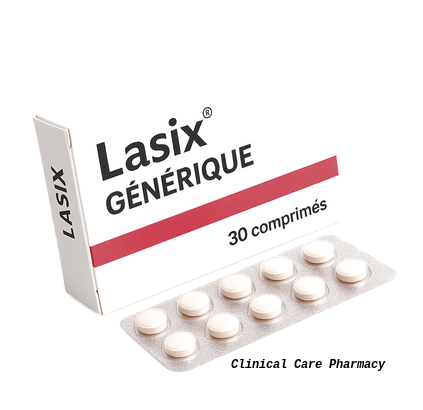
Buy lasix generic cheap
- Is Lasix (furosemide) available without prescription in the UK?
- What does Pharmacy medicine mean in the UK?
- General information about Lasix
- Mechanism of action: how furosemide works
- Price and availability information
- Strengths, formulations and pack types
- Common clinical uses of Lasix
- UK legal classification: GSL, P and POM for diuretics
- Alternatives and complementary therapies for fluid retention
- Lasix compared with other diuretics
- Food, alcohol and lifestyle considerations in fluid management
- Side effects and tolerability
- Long-term use and monitoring in diuretic therapy
- Warnings, contraindications and interactions
- Additional information about generic Lasix
Is Lasix (furosemide) available without prescription in the UK?
Lasix, known generically as furosemide, is a potent loop diuretic widely prescribed for fluid retention linked to heart failure, liver disease, kidney conditions and hypertension. In the United Kingdom, Lasix is classified primarily as a Prescription Only Medicine (POM) due to its powerful pharmacological effects and the need for professional monitoring of fluid balance, electrolytes and blood pressure. Consequently, it is not generally available over the counter (OTC). However, there are specialist services and online pharmacies that may offer “buy without prescription” schemes under strict regulatory frameworks, supported by online consultation, pharmacist review and appropriate safety checks. While these options allow UK residents to order Lasix online or purchase generic furosemide without a traditional paper prescription, the supply must still comply with MHRA guidelines on remote prescribing and dispensing. Patients wishing to buy Lasix cheap or order a cheaper generic version online should verify that the online pharmacy is registered, adheres to UK pharmacy regulations, and provides secure delivery to ensure authenticity and patient safety.
Purchasing Lasix without prescription in the UK typically involves completing a detailed medical questionnaire evaluated by a qualified prescriber, who may issue an electronic prescription if appropriate. Successful supply requires evidence of safe use, correct dosing and understanding of potential side effects. This process helps maintain patient safety while enabling convenient access to generic, cheaper Lasix products. Always confirm the legitimacy of online sellers and avoid unregulated vendors to reduce the risk of counterfeit or substandard diuretics.
What does Pharmacy medicine mean in the UK?
The UK categorises medicines under three main legal classifications: Prescription Only Medicine (POM), Pharmacy medicine (P) and General Sales List (GSL). A Pharmacy medicine (P) may be supplied without a prescription but only under the supervision of a pharmacist in a registered pharmacy. While Lasix remains a POM, understanding the meaning of “Pharmacy medicine” clarifies how certain diuretics or lower-strength formulations might be reclassified for limited OTC supply, subject to MHRA consultation. “Pharmacy medicines” must be stored behind the counter, requiring pharmacist oversight to ensure safe advice, appropriate dosing and identification of contraindications or drug interactions.
Retail sale of P-classified medicines involves a professional assessment and record-keeping, unlike GSL medicines, which may be sold freely. This distinction is crucial when looking to buy generic medicines online; even if no paper prescription is needed, a regulated pharmacist must approve supply. When you order Lasix without prescription online through a UK-licensed pharmacy, the supply is treated as a POM under remote prescribing protocols but may involve virtual pharmacy medicine processes to maintain safety and legal compliance.
General information about Lasix
What is Lasix (furosemide)?
Lasix is the trade name for furosemide, a loop diuretic used to remove excess fluid (edema) by increasing urine production. It is highly effective in mobilising fluid from body tissues, especially in conditions where fluid retention becomes harmful, such as heart failure, cirrhosis, renal impairment and some cases of hypertension.
How is furosemide classified?
Furosemide is classified pharmacologically as a loop diuretic. It inhibits the sodium-potassium-chloride co-transporter in the thick ascending limb of the loop of Henle in the kidney, promoting natriuresis (sodium excretion) and diuresis (water excretion).
What forms do Lasix products take?
Lasix is available as oral tablets, oral solution and injectable formulations. In the UK, generic furosemide tablets are the most commonly supplied. Some formulations include immediate-release tablets while others use liquid form for dose adjustment in paediatric or dysphagic patients.
Why is generic Lasix cheaper?
Generic Lasix contains the same active ingredient, furosemide, in equivalent dosage strengths and must meet MHRA standards of quality, safety and efficacy. Competition between manufacturers allows these products to be offered at lower prices compared with branded Lasix, making generic purchase a cost-effective option.
Is Lasix the same as other diuretics?
Loop diuretics like furosemide are distinct from thiazide diuretics and potassium-sparing diuretics in their potency, site of action and side effect profile. Choice of diuretic depends on the clinical situation, desired speed of fluid removal and monitoring requirements.
Mechanism of action: how furosemide works
Where does Lasix act in the nephron?
Lasix exerts its diuretic effect at the thick ascending limb of the loop of Henle by blocking the Na⁺-K⁺-2Cl⁻ symporter. This inhibits reabsorption of sodium, chloride, and potassium, leading to an osmotic gradient that enhances water excretion.
How rapidly does Lasix work?
Oral furosemide typically begins to work within 30 to 60 minutes, with peak diuresis occurring at around 1-2 hours. The duration of action is approximately 6-8 hours. Injectable formulations can act within minutes when administered intravenously in hospital settings.
What are the clinical implications of loop diuretic action?
Rapid fluid removal can reduce preload on the heart in congestive heart failure and relieve pulmonary congestion. The potent natriuretic effect also makes furosemide useful in acute pulmonary edema and severe edema states, but requires careful monitoring of electrolytes to prevent hypokalemia, hyponatremia or volume depletion.
Does Lasix affect acid-base balance?
By altering renal ion transport, furosemide can lead to metabolic alkalosis in some patients. Close monitoring of blood gases and electrolytes is recommended during high-dose or prolonged therapy.
How does kidney function influence Lasix effectiveness?
Renal function significantly affects loop diuretic response. Impaired kidney function may reduce natriuretic response, requiring higher doses or combination with other diuretics under specialist supervision.
Price and availability information
How much does generic Lasix cost in the UK?
Prices for generic furosemide vary based on pack size, strength, pharmacy, and whether you purchase in store or online. At Clinical Care Pharmacy, prices for a 40 mg generic Lasix 28-tablet pack start from as low as £4.99, whereas larger packs or different strengths may cost up to £12.99. Compare offers online to secure the cheapest option.
Why do prices differ?
Variations in price reflect differences in packaging, distribution costs, brand premiums, promotional discounts and retailer margins. “Cheaper” products often result from bulk purchasing by pharmacies, special online promotions, or generic competition.
| Example | Strength | Pack size | Price | Status | Note |
|---|---|---|---|---|---|
| Generic A | 40 mg | 28 tablets | £4.99 | In stock | Order Lasix without prescription online |
| Generic B | 20 mg | 28 tablets | £3.49 | In stock | Fast delivery in the UK |
| Generic C | 40 mg | 56 tablets | £8.99 | Information only | Ask Clinical Care Pharmacy for price |
How to secure the best price?
Buying online in larger quantities, subscribing to automated refills or choosing generic options can reduce unit cost. Check Clinical Care Pharmacy’s latest promotions for discounted bundles and free UK delivery.
Strengths, formulations and pack types
What strengths of Lasix exist?
Furosemide tablets are commonly available in 20 mg, 40 mg and 80 mg strengths. Lower doses (10 mg) and liquid formulations can be compounded for paediatric or specialized dosing.
What formulations are supplied?
In the UK, furosemide is supplied as immediate-release tablets, oral solution (10 mg/mL) and injectable solution (10 mg/mL). Patients with swallowing difficulties may prefer liquid forms, while acute hospital settings often use injections.
Why does pack size matter?
Pack size influences legal classification, duration of self-treatment and price. A small pack intended for short courses may be priced lower and subject to different pharmacy controls compared to larger prescription packs for long-term therapy.
| Feature | Why it matters |
| Active ingredient | Defines pharmacological identity |
| Strength | Determines dose per tablet |
| Formulation | Immediate release vs. liquid vs. injection |
| Pack size | Supply duration and price per unit |
| Legal category | Controls how you can buy and supply |
Are branded Lasix and generic furosemide identical?
Both contain the same active ingredient at equivalent doses. Differences are limited to excipients, tablet appearance, packaging and manufacturer. Generics must demonstrate bioequivalence to the reference product.
Common clinical uses of Lasix
What is edema?
Edema is the accumulation of excess fluid in tissues. It can result from heart failure, liver cirrhosis, kidney disease or venous insufficiency. Lasix helps mobilize and excrete this fluid, relieving swelling and discomfort.
How is Lasix used in heart failure?
In chronic or acute decompensated heart failure, Lasix reduces preload by removing excess fluid, improving dyspnea and exercise tolerance. It is dosed individually to achieve optimal diuresis without causing hypotension or electrolyte imbalance.
Role in hypertension?
While loop diuretics are not first-line for uncomplicated hypertension, Lasix can be beneficial in patients with coexisting heart or kidney disease, fluid overload or low glomerular filtration rate, where thiazides may be less effective.
Use in renal impairment?
Despite reduced kidney function lowering diuretic response, loop diuretics remain useful in advanced renal disease, sometimes requiring higher doses or combination with thiazide diuretics under specialist care.
Other indications?
Lasix may be used off-label for acute pulmonary edema, acute kidney injury and to manage fluid status perioperatively in certain surgical patients.
UK legal classification: GSL, P and POM for diuretics
Why is Lasix POM?
Due to its significant effects on fluid and electrolyte balance, blood pressure and kidney function, furosemide is classified as a Prescription Only Medicine. Professional oversight is required to avoid adverse events like dehydration, hypotension, renal impairment and serious electrolyte disturbances.
Could any diuretics be reclassified?
Low-dose thiazides for mild hypertension or GSL potassium supplements may have different classifications. However, loop diuretics like Lasix remain POM in the UK. Any proposed reclassification would involve MHRA review of safety data, dosing limits and potential harm from unsupervised use.
Who regulates medicines classification?
The Medicines and Healthcare products Regulatory Agency (MHRA) determines legal categories, safety measures and reclassification of UK medicines. Pharmacists, clinicians and patient groups may contribute evidence during public consultations on classification changes.
Why no OTC Lasix?
The risk profile of loop diuretics demands monitoring of renal function, electrolytes, blood pressure and concomitant medications. Unsupervised, even “cheap” or generic Lasix could lead to serious complications, justifying its POM status.
Alternatives and complementary therapies for fluid retention
Thiazide diuretics
Thiazides (e.g., hydrochlorothiazide) are milder diuretics that can be used for hypertension or mild edema. They act on the distal convoluted tubule and are often first-line for uncomplicated cases.
Potassium-sparing diuretics
Spironolactone and amiloride reduce potassium loss and may be used in combination with loop or thiazide diuretics to maintain electrolyte balance while managing edema.
Non-pharmacological measures
Dietary sodium restriction, fluid intake monitoring, leg elevation and compression stockings can complement diuretic therapy. Lifestyle adjustments can reduce fluid accumulation and enhance overall cardiovascular health.
Herbal remedies
Some herbal supplements claim mild diuretic effects (e.g., dandelion, parsley). Their efficacy and safety vary, and they should not replace prescribed Lasix without professional advice.
Lasix compared with other diuretics
Loop vs. thiazide diuretics
Loop diuretics like furosemide have a rapid onset and powerful natriuretic effect, useful for significant fluid overload. Thiazides are milder, with slower onset and longer duration, suited for hypertension management.
Loop vs. potassium-sparing diuretics
Potassium-sparing diuretics are less potent but preserve potassium. Combinations with loops can balance efficacy and electrolyte safety. Lasix alone may cause hypokalemia, whereas spironolactone alone may be too weak for severe edema.
Oral vs. injectable
Oral Lasix is suitable for chronic management and home use. Injectable furosemide is reserved for acute settings such as emergency pulmonary edema, allowing immediate effect and dose titration under clinical supervision.
| Feature | Lasix (furosemide) | Hydrochlorothiazide | Spironolactone |
| Drug class | Loop diuretic | Thiazide diuretic | Potassium-sparing diuretic |
| Onset | 30–60 min | 2–4 hours | 24–48 hours |
| Duration | 6–8 hours | 12–24 hours | 24–72 hours |
| Electrolyte effect | May cause hypokalemia | May cause hypokalemia | May cause hyperkalemia |
| POM status | Yes | Yes | Yes |
Is one diuretic always better?
Choice depends on clinical indication, kidney function, electrolyte profile, comorbidities and patient response. A cardiovascular specialist or nephrologist will tailor therapy for best outcomes.
Food, alcohol and lifestyle considerations in fluid management
Dietary sodium restriction
Limiting dietary salt intake (below 2 g sodium per day) can reduce fluid retention and enhance the effectiveness of Lasix. Reading labels and avoiding processed foods helps maintain low sodium levels.
Fluid intake monitoring
Patients may be advised to record daily fluid intake and output to guide dose adjustments. Excessive fluid intake can counteract diuretic effects, while over-restriction risks dehydration.
Alcohol and caffeine
Alcohol and caffeinated beverages can influence fluid balance and blood pressure. Moderate consumption under medical guidance is usually acceptable, but heavy intake can worsen edema and interact with diuretic action.
Physical activity
Regular exercise supports cardiovascular health, improves venous return and helps reduce peripheral edema. Elevating legs during rest and wearing compression garments can further relieve swelling.
Weight monitoring
Daily weight measurements can detect fluid gain early. Sudden weight increases (>1–2 kg/day) should prompt adjustment of Lasix dosage or medical review.
Side effects and tolerability
Common side effects
| System | Examples |
| Renal | Polyuria, dehydration, electrolyte imbalance (e.g., hypokalemia, hyponatremia) |
| Cardiovascular | Hypotension, dizziness, orthostatic intolerance |
| Metabolic | Increased uric acid (gout flare), hyperglycemia |
| Neuromuscular | Cramps, weakness |
| Gastrointestinal | Nausea, abdominal discomfort |
Rare but serious effects
Severe dehydration, acute renal failure, severe electrolyte disturbances, ototoxicity (with high IV doses), and hypersensitivity reactions can occur. Immediate medical attention is required if severe adverse effects develop.
Why monitor electrolytes?
Furosemide promotes potassium, sodium and magnesium loss. Routine blood tests during therapy ensure levels remain within safe ranges. Supplementation may be needed to prevent arrhythmias or muscle disorders.
Improving tolerability
Splitting doses, adjusting timing, increasing fluid and electrolyte intake or using combination therapy with potassium-sparing diuretics can reduce adverse effects and maintain efficacy.
Long-term use and monitoring in diuretic therapy
Why is follow-up important?
Long-term diuretic therapy requires periodic review of renal function, electrolytes, blood pressure, weight and symptom control. Dose adjustments prevent chronic dehydration or fluid rebound.
Risks of prolonged use
Chronic high-dose Lasix can exacerbate risk of electrolyte imbalance, renal impairment and gout. Regular monitoring helps identify issues early and optimize dosing for each patient.
When to review therapy?
- Every 1–3 months during initial titration
- Every 6–12 months once stable
- After any change in comorbid conditions
- Following episodes of hypotension or acute kidney injury
Preventing rebound edema
Abrupt discontinuation may cause fluid rebound. Gradual dose reduction under medical advice helps maintain stable fluid balance and avoid withdrawal effects.
Warnings, contraindications and interactions
Who should use caution?
- Patients with severe dehydration or hypotension
- Electrolyte imbalances (e.g., hypokalemia, hyponatremia)
- Renal impairment requiring specialist management
- Gout or high uric acid levels
- Hearing impairment (risk of ototoxicity with IV use)
- Pregnancy and breastfeeding – assess benefits vs risks
Major drug interactions
Furosemide can interact with other antihypertensives, NSAIDs (reducing diuretic effect), aminoglycosides (increasing ototoxicity risk), lithium (altered excretion), and digoxin (increasing arrhythmia risk during hypokalemia). Always check product information for full details.
Why monitor blood pressure?
Rapid fluid removal can cause symptomatic hypotension. Patients should stand up slowly after dosing, and blood pressure must be measured periodically, especially during dose changes.
Laboratory monitoring
Electrolytes, renal function, blood glucose and uric acid should be assessed before initiating Lasix and at regular intervals during treatment to identify and manage adverse metabolic changes.
Additional information about generic Lasix
What does “generic furosemide” mean?
A generic medicine contains the same active ingredient, dosage form and strength as the reference brand (Lasix). It must demonstrate bioequivalence and adhere to the same quality, safety and efficacy standards set by the MHRA. Only excipients and packaging may differ.
Why do different generic versions have distinct leaflets?
Each manufacturer may use different excipients, pack sizes, leaflet formatting and legal categories (e.g., POM vs. patient group direction). Always read the leaflet supplied with your specific product.
Why follow exact product information?
The Summary of Product Characteristics and patient information leaflet detail approved indications, dosing, contraindications, interactions and storage conditions for your exact medicine. Misapplication of general advice can lead to dosing errors or unexpected side effects.
Where to verify UK medicine information?
Reliable sources include the MHRA website, the electronic Medicines Compendium (eMC), British National Formulary (BNF) and qualified healthcare professionals such as pharmacists and doctors.
Does this information replace professional advice?
No. This article is provided by Clinical Care Pharmacy, Unit 4 Brian Clough Business Centre, 200-222 Cotton Lane, Derby, for general educational purposes. For personalised recommendations and safe use of Lasix, please consult our pharmacy team or your healthcare provider.