
Purchase propecia fast delivery without prescription
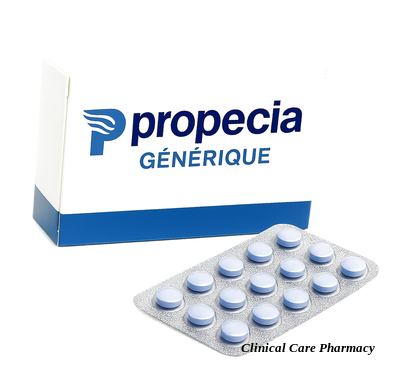
- Is Propecia available without prescription in the UK?
- What does Pharmacy medicine mean in the UK?
- General information about Propecia
- How Propecia (finasteride) works
- Price and availability information
- Strengths, formulations and pack types
- Androgenetic alopecia and BPH
- UK legal classification: GSL, P and POM
- Alternatives for hair loss treatment
- Propecia compared with other hair loss medicines
- Food, alcohol and lifestyle considerations
- Side effects and tolerability
- Long-term use and excessive exposure
- Warnings, contraindications and interactions
- Additional information about Propecia
Is Propecia available without prescription in the UK?
Propecia, containing the active ingredient finasteride, is classified as a Prescription Only Medicine (POM) in the United Kingdom for approved indications such as androgenetic alopecia (male pattern baldness) and benign prostatic hyperplasia (BPH). It cannot be supplied legally without a valid prescription issued by a qualified prescriber. However, patients seeking to purchase generic finasteride online at cheaper prices often look for provisional pharmacy services or telemedicine consultations that provide a prescription following an online assessment.
While generic finasteride 1 mg tablets are generally only available via prescription, some online pharmacies may offer fast delivery services once a prescription has been provided or arranged. Always ensure that the pharmacy is registered with the General Pharmaceutical Council (GPhC) and that the prescription is valid under UK regulations.
What does Pharmacy medicine mean in the UK?
In the United Kingdom, medicines are categorised by their legal supply status. The three main categories are:
- Prescription Only Medicine (POM): Requires a prescription from a qualified healthcare professional before supply.
- Pharmacy medicine (P): Can be supplied without prescription but only under the supervision of a pharmacist.
- General Sales List (GSL): Available for general sale without a prescription or pharmacist supervision.
Propecia (finasteride) remains a POM due to its systemic effects, potential side effects and need for ongoing monitoring. Even though some over-the-counter hair loss remedies exist, finasteride products must be legally dispensed by a pharmacy when a prescription is provided.
General information about Propecia
What is finasteride?
Finasteride is a synthetic 4-azasteroid compound that inhibits the enzyme 5α-reductase Type II, responsible for converting testosterone into dihydrotestosterone (DHT). Elevated levels of DHT in scalp hair follicles contribute to the miniaturisation process seen in androgenetic alopecia. By reducing DHT formation, finasteride helps slow hair loss and can promote hair regrowth in men with male pattern baldness.
Who is Propecia for?
Propecia is licensed for use in adult men aged 18 to 41 years with mild to moderate androgenetic alopecia at the vertex and anterior mid-scalp area. It is not approved for use in women or children under 18 years due to lack of data, potential risk to a male fetus and differences in hair loss patterns.
Difference between Propecia and BPH formulations
Finasteride is also used at a higher dose (5 mg daily) for treatment of benign prostatic hyperplasia under the brand name Proscar and generic finasteride 5 mg. The lower 1 mg dose marketed as Propecia is specifically indicated for hair loss.
Generic vs. branded Propecia
Generic finasteride 1 mg contains the same active substance as branded Propecia and must meet the same regulatory standards for quality, safety and efficacy. Differences may exist in inactive ingredients, tablet coatings, packaging, appearance and pricing, with generics often offering a cheaper option for patients.
How Propecia (finasteride) works
Role of DHT in hair loss
Dihydrotestosterone (DHT) binds to androgen receptors in hair follicles, causing progressive miniaturisation of susceptible hairs. Over time, follicles produce thinner, shorter hairs until growth eventually stops.
Mechanism of 5α-reductase inhibition
Finasteride selectively inhibits Type II 5α-reductase, reducing serum and scalp DHT levels by approximately 60–70% with daily administration. Lower DHT levels slow hair follicle miniaturisation, helping to maintain existing hair and support regrowth.
Onset and duration of action
Visible changes in hair loss progression can be observed after three to six months of continuous finasteride therapy, with maximum benefit typically reached after 12 months. Treatment must be ongoing to sustain results; discontinuation leads to reversal of effects within 6–12 months.
Systemic effects
Systemic DHT reduction may affect tissues beyond the scalp, such as the prostate gland. This underlies both therapeutic benefits in BPH and potential adverse events, including sexual dysfunction in a small proportion of users.
Price and availability information
How much does Propecia cost in the UK?
The cost of generic finasteride 1 mg varies depending on pack size, pharmacy pricing policies, brand or generic status and delivery options. Typical retail prices range from £20 to £40 for a 28-day supply when purchased through a standard NHS prescription or private pharmacy. Online pharmacies offering fast delivery and telemedicine consultations may charge additional consultation or service fees.
Why are some prices cheaper?
Lower prices often reflect generic competition, bulk purchasing agreements, discounts, manufacturer rebates and direct-to-patient supply models. Discreet online pharmacies operating at scale may pass savings on to customers, enabling cheaper Propecia purchases.
| Example | Strength | Formulation | Price | Status | Note |
|---|---|---|---|---|---|
| ClinicalCare Generic | 1 mg | Film-coated tablets | £14.99 / 28 tablets | Prescription only | Includes online consultation fee |
| Branded Propecia | 1 mg | Film-coated tablets | £35.00 / 30 tablets | Prescription only | Genuine brand pack |
Strengths, formulations and pack types
Available strengths
Finasteride is available as 1 mg tablets for androgenetic alopecia and 5 mg tablets for BPH. The 1 mg strength is marketed as Propecia (brand) or generic finasteride. The 5 mg strength is available as Proscar or generic equivalents.
Tablet presentation
Finasteride tablets are generally film-coated to aid swallowing. Inactive ingredients vary between manufacturers and may include lactose, microcrystalline cellulose, magnesium stearate and coloring agents.
Pack sizes
Common pack sizes for Propecia include 28-tablet blister packs. Generic packs may offer 30- or 90-tablet options to accommodate different supply needs.
Why pack size matters
Pack size influences treatment duration, refill frequency and total cost. Larger packs can be more cost-effective per tablet but require a larger upfront payment and may increase the time until prescription renewal.
Androgenetic alopecia and BPH
What is androgenetic alopecia?
Androgenetic alopecia is a genetically determined hair loss condition characterised by progressive thinning at the frontal hairline and crown in men. It affects up to 50% of men by age 50.
How Propecia addresses alopecia
By lowering scalp DHT, Propecia reduces the miniaturisation of hair follicles and promotes maintenance of terminal hairs, often resulting in increased hair count and improved hair thickness in responding patients.
What is benign prostatic hyperplasia?
BPH is enlargement of the prostate gland frequently causing lower urinary tract symptoms such as urinary frequency, urgency, weak stream and nocturia. Finasteride 5 mg daily helps reduce prostate volume and improve symptoms over 3–6 months.
Can one dose treat both conditions?
The 1 mg dose indicated for hair loss is not sufficient to achieve the prostate volume reduction required for BPH management. BPH treatment requires the 5 mg daily dosage under medical supervision.
UK legal classification: GSL, P and POM
Prescription Only Medicine (POM)
Finasteride (1 mg and 5 mg) is classified as POM in the UK. It may only be dispensed under a valid prescription from a UK‐registered prescriber.
Why is Propecia POM?
Potential adverse events, systemic hormonal effects and the need for ongoing monitoring dictate that finasteride remains a prescription-only therapy. A healthcare professional must evaluate suitability, counsel on side effects and arrange follow-up.
Regulatory oversight
The MHRA regulates medicine classification and ensures that drug safety, efficacy and quality are maintained. No reclassification process for finasteride to P status or GSL is currently under consideration.
Alternatives for hair loss treatment
Other medical options
- Minoxidil topical solution or foam;
- Dutasteride (not licensed for alopecia in the UK);
- Low-level laser therapy devices;
- Platelet-rich plasma (PRP) injections;
- Hair transplant surgery.
Why minoxidil differs from finasteride
Minoxidil is a vasodilator that can prolong the anagen phase of hair growth and increase hair shaft diameter. Unlike finasteride, it acts locally and does not alter systemic DHT levels.
Propecia compared with other hair loss medicines
Finasteride vs. Dutasteride
Both inhibit 5α-reductase, but dutasteride blocks Type I and II isoenzymes and may reduce DHT by over 90%. It is not licensed for alopecia in the UK and carries a higher risk of systemic effects.
Finasteride vs. topical minoxidil
Finasteride addresses hormonal causation of hair loss, whereas minoxidil promotes growth through vasodilation. Combination therapy can be more effective for some patients than either treatment alone.
| Feature | Finasteride | Dutasteride | Minoxidil |
| Drug class | 5α-reductase inhibitor | 5α-reductase inhibitor | Vasodilator |
| Route | Oral | Oral | Topical |
| Approval (UK) | Yes (alopecia, BPH) | No (alopecia) | Yes (alopecia) |
| Typical onset | 3–6 months | 3–6 months | 4–12 weeks |
Food, alcohol and lifestyle considerations
Does diet affect Propecia efficacy?
Finasteride absorption is not significantly affected by food. Tablets can be taken with or without meals at the same time each day for optimal adherence.
Can alcohol influence hair loss?
Excessive alcohol can impact general health and hormonal balance, but it does not directly alter finasteride’s mechanism. Moderation is advised for overall wellbeing.
Stress and hair health
Physical or emotional stress can trigger telogen effluvium, a different form of hair shedding. Differentiating this from androgenetic alopecia is important for treatment selection.
Side effects and tolerability
Common side effects
| Area | Examples |
| Sexual | Decreased libido, erectile dysfunction, ejaculation disorders |
| Psychological | Depression, mood changes (rare) |
| Others | Breast tenderness, testicular pain |
Frequency categories
Common adverse events occur in 1–10% of users. Many effects resolve with continued treatment or upon discontinuation. Persistent or severe symptoms require medical assessment.
Rare reactions
Hypersensitivity reactions such as rash, urticaria or angioedema are uncommon. Report any signs of allergic reaction to a healthcare professional immediately.
Long-term use and excessive exposure
Duration of therapy
Long-term finasteride use beyond one year is common for sustained hair maintenance. Patients and prescribers should periodically review therapy benefits versus any emerging adverse effects.
Potential endocrine effects
Chronic DHT suppression may have implications for prostate health, sexual function and mood. Evidence suggests most men tolerate finasteride well, but vigilance is warranted.
Warnings, contraindications and interactions
Who should not take Propecia?
- Women, especially pregnant or of childbearing potential;
- Children under 18 years;
- Individuals with known hypersensitivity to finasteride or tablet excipients;
- Patients with severe hepatic impairment require caution.
Drug interactions
Finasteride has low potential for CYP-mediated interactions. Concomitant use with potent enzyme inducers may theoretically reduce finasteride levels, but clinical significance is low.
Pregnancy risk
Finasteride may cause teratogenic effects in a male fetus. Women who are or may be pregnant should avoid handling crushed or broken tablets. Intact tablets pose minimal risk during normal dispensing and administration to men.
Additional information about Propecia
Generic finasteride explained
Generic finasteride products are bioequivalent to branded Propecia. Patients can choose generics for lower cost without compromising efficacy, provided the pharmacy dispenses a UK-authorised product.
Storage and handling
Store tablets at room temperature away from moisture and heat. Keep out of reach of children. Do not use expired products.
Where to verify information
Official sources include the MHRA website, the electronic Medicines Compendium and qualified healthcare professionals. Patient leaflets and Summary of Product Characteristics provide complete prescribing information.
Pharmacy advice
This information is by Clinical Care Pharmacy, Unit 4 Brian Clough Business Centre, 200-222 Cotton Lane, Derby. Consult our pharmacy team for personalised advice, prescription consultations and fast delivery options for Propecia and generic finasteride.