
Order clomid fast delivery online
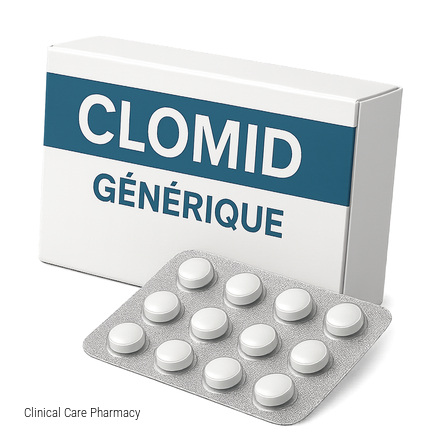
- Is clomid available without prescription in the UK?
- What does Prescription Only Medicine mean in the UK?
- General information about clomiphene (Clomid)
- How clomiphene works
- Price and availability information
- Strengths, formulations and pack types
- Infertility, ovulation induction and PCOS
- UK legal classification: POM
- Alternatives for ovulation induction
- Clomid compared with other fertility medicines
- Food, alcohol and lifestyle considerations
- Side effects and tolerability
- Long-term use and excessive exposure
- Warnings, contraindications and interactions
- Additional information about clomid
Is clomid available without prescription in the UK?
Clomid (the brand name for clomiphene citrate) is categorised as a Prescription Only Medicine (POM) in the United Kingdom. This means that you cannot legally buy or order Clomid without a valid prescription from a qualified prescriber. Although some online vendors advertise purchase of generic Clomid without prescription, these sources may operate outside UK regulations, posing risks related to safety, authenticity and legal compliance. For genuine fast delivery, best price and guaranteed quality, you should obtain a prescription from your GP or fertility specialist and then order Clomid online from an MHRA-registered pharmacy such as Clinical Care Pharmacy.
What does Prescription Only Medicine mean in the UK?
In the UK, human medicines are regulated under three main supply categories: Prescription Only Medicine (POM), Pharmacy medicine (P), and General Sales List (GSL). A POM can only be supplied when a valid prescription has been issued by an authorised healthcare professional. Pharmacy medicines (P) may be supplied without prescription but must be sold under the supervision of a pharmacist. GSL medicines are widely available over the counter. Clomid’s classification as a POM ensures that its prescription, dose and duration of therapy are tailored to individual patient needs and monitored by clinicians, thereby maximising effectiveness and minimising risks.
General information about clomiphene (Clomid)
What is Clomid?
Clomid is the trade name for the active ingredient clomiphene citrate. It belongs to a class of medications called selective estrogen receptor modulators (SERMs). Clomiphene is primarily used to induce ovulation in women who do not ovulate regularly due to conditions such as polycystic ovary syndrome (PCOS) or unexplained infertility.
How long has Clomid been used?
Clomiphene citrate was first introduced in the 1960s and has since become a mainstay in first-line fertility therapy. It remains popular due to its oral dosing, established efficacy, convenient monitoring protocols and lower cost compared to injectable alternatives.
What is the active ingredient?
Clomiphene citrate is the active pharmaceutical component. Both brand and generic versions must meet strict regulatory standards for purity, potency and bioavailability before being authorised for UK supply.
Why is generic Clomid cheaper?
Generic formulations of clomiphene contain the same active molecule at the same strength and undergo the same clinical evaluation for bioequivalence. They can be cheaper because generic manufacturers do not bear the initial research and development costs associated with brand-name drugs.
Is Clomid suitable for every patient?
Not necessarily. Suitability depends on medical history, underlying fertility issues, hormone levels and any contraindications. A specialist assessment is recommended to determine whether Clomid is the most appropriate therapy.
How clomiphene works
What is the mechanism of action?
Clomiphene citrate acts by binding to estrogen receptors in the hypothalamus, blocking negative feedback from circulating estrogen. This blockade stimulates the release of gonadotropin-releasing hormone (GnRH), which in turn increases secretion of luteinizing hormone (LH) and follicle-stimulating hormone (FSH) from the pituitary. Elevated FSH and LH levels promote follicular growth and ovulation.
How is Clomid activated?
Clomiphene is administered orally and undergoes hepatic metabolism to active metabolites that interact with estrogen receptors. Its pharmacodynamic effect peaks several days after dosing and can persist through the follicular phase of the cycle.
Does Clomid directly affect the ovary?
Indirectly. By modulating pituitary hormones, Clomid encourages the ovary to recruit and mature follicles. It does not have a direct cytotoxic or stimulatory action on ovarian tissue.
Why is timing important?
Standard ovulation induction regimens involve administering Clomid early in the menstrual cycle (typically days 3–7 or 5–9). Precise timing maximises the chance of a mature follicle developing at the optimal point for successful fertilisation.
Does higher dose always improve response?
Not necessarily. Clomiphene responsiveness varies among patients, and higher doses can increase the risk of side effects without guaranteeing improved ovulation rates. Dose adjustments should be guided by ultrasound monitoring and hormone assays.
Price and availability information
How much does Clomid cost in the UK?
Prices for Clomid can vary depending on brand, pack size, and whether you choose generic clomiphene citrate. Clinical Care Pharmacy offers competitive pricing and fast online ordering, with regular promotions for cheaper orders. For the latest price information, please contact our team.
Why can prices vary online?
Online pharmacy prices reflect factors such as manufacturer discounts, bulk purchasing agreements, supply chain costs and promotional offers. Cheaper does not always mean counterfeit, but due diligence—such as checking MHRA registration—is essential when purchasing generic Clomid online.
| Example | Strength | Formulation | Price | Status | Note |
|---|---|---|---|---|---|
| Generic A | 50 mg | Tablets | Not stated | Information only | Contact Clinical Care Pharmacy for current price |
| Clomid Brand | 50 mg | Tablets | Not stated | Information only | Prescription required |
Strengths, formulations and pack types
What strengths of clomiphene exist?
Clomid is most commonly available as 50 mg tablets. In some regions, 25 mg doses can be compounded for low-dose protocols. All UK-authorised products carry the same strength but may differ in packaging.
What formulations are available?
Clomiphene is supplied exclusively as an oral tablet. There are no capsule, liquid or injectable POMs of clomiphene citrate in standard clinical use for ovulation induction.
Why does pack size matter?
Pack size determines maximum treatment duration per dispensing. A typical pack contains 5 or 10 tablets, facilitating single-cycle or two-cycle therapy. Legal classification and recommended duration of treatment are linked to pack presentation.
| Feature | Why it matters |
| Active ingredient | Ensures correct pharmacological effect |
| Strength | Determines dose per tablet |
| Formulation | Tablet form ensures consistent absorption |
| Pack size | Limits authorised self-care duration |
| Legal category | Requires prescription supply |
Are generic and branded products identical?
Generic clomiphene citrate is required to demonstrate bioequivalence to the brand-name reference product. Inactive ingredients may vary, which can affect appearance but not efficacy when properly authorised.
Infertility, ovulation induction and PCOS
What conditions is Clomid used for?
Clomid is indicated for women with anovulatory or oligo-ovulatory infertility, commonly associated with polycystic ovary syndrome (PCOS), thyroid dysfunction or hyperprolactinemia. It may also be used in certain cases of unexplained infertility where ovulation is irregular.
How effective is Clomid?
Clinical studies report ovulation rates of 60–85% and pregnancy rates of approximately 30–40% per treatment cycle. Long-term cumulative pregnancy rates increase over multiple cycles and with adjunctive interventions.
What is PCOS?
Polycystic ovary syndrome is an endocrine disorder characterised by ovulatory dysfunction, hyperandrogenism and polycystic ovarian morphology. PCOS is one of the most common causes of female infertility, and Clomid is often first-line therapy for induction of ovulation in PCOS patients.
What monitoring is required?
Ultrasound monitoring of follicular growth and serum hormone measurements (estrogen, LH, progesterone) can guide dose adjustments and optimise timing of intercourse or insemination. Regular monitoring minimises risks of multiple ovulation and ovarian hyperstimulation.
Can Clomid be used by men?
Off-label, clomiphene citrate may be prescribed to treat male infertility related to low testosterone by stimulating endogenous gonadotropin release. However, this use requires specialist assessment and careful monitoring.
UK legal classification: POM
Why is Clomid POM?
Clomid’s classification as a Prescription Only Medicine reflects its potential for serious side effects, need for dose titration, and requirement for specialist monitoring of fertility treatment outcomes and safety parameters.
Can any clomiphene be sold over the counter?
No. All clomiphene citrate products are prescription-only in the UK. Any claim of “buy without prescription” should raise caution regarding legitimacy and regulatory compliance.
Who regulates clomiphene supply?
The Medicines and Healthcare products Regulatory Agency (MHRA) oversees licensing, classification and inspection of UK pharmacies to ensure compliance with POM requirements.
What happens if Clomid is misused?
Unsupervised usage can lead to improper dosing, missed monitoring of ovarian response, risk of ovarian hyperstimulation syndrome (OHSS) and potential adverse pregnancy outcomes.
Alternatives for ovulation induction
What other treatments exist?
- Letrozole (an aromatase inhibitor) for ovulation induction;
- Gonadotropin injections (FSH, hMG) under specialist supervision;
- Metformin in PCOS patients with insulin resistance;
- Ovulation induction with clomiphene plus oral adjuncts;
- Assisted reproductive technologies (IUI, IVF) for refractory cases.
Why use letrozole instead of Clomid?
Letrozole may be associated with a lower risk of multiple gestation and better endometrial receptivity in some PCOS patients, though clinical choice depends on individual response and specialist advice.
When are gonadotropins used?
Injectable gonadotropins offer a more controlled follicular stimulation but require daily injections, intensive monitoring and carry higher costs and risks, making them second-line after Clomid failure.
Clomid compared with other fertility medicines
How does Clomid compare with letrozole?
Both induce ovulation by altering endocrine feedback loops. Letrozole reduces estrogen synthesis, whereas Clomid blocks estrogen receptors. Each has different side effect profiles and efficacy in various patient subgroups.
How does Clomid compare with gonadotropins?
Gonadotropins provide direct FSH and/or LH stimulation, offering higher ovulation rates but increased risk of OHSS and multiple pregnancy. Clomid is less expensive and easier to administer but may yield lower success rates in poor responders.
| Feature | Clomid (clomiphene) | Letrozole | Gonadotropins |
| Drug class | SERM | Aromatase inhibitor | Recombinant/purified hormones |
| Main mechanism | Blocks estrogen receptors in hypothalamus | Inhibits estrogen synthesis | Direct FSH/LH supplementation |
| Oral vs Injectable | Oral | Oral | Injectable |
| Typical cost | Low | Low–moderate | High |
| Monitoring | Moderate | Moderate | Intensive |
Is one always better?
No. Choice depends on individual patient characteristics, prior treatment responses, cost considerations and specialist recommendation.
Food, alcohol and lifestyle considerations
Can diet influence fertility?
Nutrition plays a role in reproductive health. A balanced diet rich in antioxidants, healthy fats and vitamins supports ovulation. Excessive caffeine or processed foods may impair response to induction agents.
Can alcohol affect treatment?
Alcohol consumption can interfere with hormone balance and liver metabolism of medications like Clomid. Minimising alcohol may improve treatment efficacy and overall reproductive health.
Does smoking matter?
Smoking is associated with reduced ovarian reserve and poorer fertility treatment outcomes. Smoking cessation is strongly recommended before and during fertility therapy.
Can weight influence response?
Both underweight and overweight women may have suboptimal responses to Clomid. Achieving a healthy BMI can improve ovulation rates and pregnancy outcomes.
What about exercise?
Moderate exercise supports metabolic health and reproductive function. Excessive or intense exercise may disrupt menstrual regularity and should be adjusted under professional guidance.
Side effects and tolerability
Can Clomid cause side effects?
Yes. Clomiphene citrate is generally well tolerated, but side effects can occur. Severity and frequency vary by patient and dose. Patients should be informed of potential adverse events and monitored accordingly.
| Area | Examples described in product information |
| Visual | Blurring, spots or flashes (transient) |
| Gynecological | Ovarian enlargement, abdominal discomfort, bloating |
| Emotional | Mood swings, irritability, depression |
| Neurological | Headache, dizziness |
| Allergic | Rare rash or hypersensitivity |
Why does Clomid affect vision?
Optical changes are believed to result from clomiphene’s partial estrogen receptor agonist/antagonist activity in ocular tissues. Patients should report persistent visual symptoms immediately.
Are psychological effects common?
Changes in mood are reported in up to 10% of users. Psychological effects should be monitored, especially in patients with a history of mood disorders.
Long-term use and excessive exposure
Why avoid prolonged Clomid cycles?
Standard recommendations limit Clomid to six treatment cycles. Extended use may increase risks of ovarian enlargement and long-term estrogen receptor modulation effects. Ongoing infertility beyond six cycles usually requires specialist review and alternative therapies.
Can excessive dose be harmful?
Higher than recommended doses (>150 mg/day) have not been shown to improve outcomes and may heighten side effect risks. Dose titration should be performed cautiously under ultrasound guidance.
Can repeated cycles mask other issues?
Failure to achieve pregnancy after several Clomid cycles may indicate underlying fertility factors that need thorough evaluation, such as tubal patency, sperm quality or uterine pathology.
Why is medical review critical?
Regular consultation with fertility specialists ensures that treatment remains aligned with evolving clinical findings and that patient safety is maintained throughout therapy.
Warnings, contraindications and interactions
Who should be cautious with Clomid?
- Women with liver disease or abnormal liver function tests;
- Patients with uncontrolled thyroid or adrenal dysfunction;
- Women with undiagnosed abnormal uterine bleeding;
- Those with pituitary or ovarian cysts not associated with PCOS;
- Women at risk of multiple pregnancy or ovarian hyperstimulation;
- Patients with known hypersensitivity to clomiphene citrate.
Can Clomid interact with other medicines?
Clomiphene’s interactions are limited but it may affect the metabolism of drugs processed by hepatic enzymes. Caution is advised with concurrent hormone therapies, antidepressants or any medication impacting ovarian function.
Why is liver function important?
Clomiphene citrate is metabolised by the liver. Impaired hepatic function can alter drug clearance and increase systemic exposure, heightening the risk of adverse events.
Can Clomid affect other hormone treatments?
Concurrent use of estrogen-containing medications or progesterone supplements may modify Clomid’s efficacy or side effect profile. Specialist guidance is essential when combining hormone therapies.
What about pregnancy?
Clomiphene should be discontinued once pregnancy is confirmed. Safety in established pregnancy beyond early ovulation induction is not well studied, so therapy is stopped as soon as conception occurs.
Additional information about clomid
What does “generic clomiphene citrate” mean?
Generic formulations contain the same active ingredient and must demonstrate bioequivalence to the original reference product. Generic Clomid offers a cheaper option while maintaining quality, safety and efficacy standards.
Why can different Clomid products have different leaflets?
Different manufacturers may have unique formulations, excipients and pack sizes, requiring specific patient information leaflets authorised by the MHRA for each product.
Why should exact product information be checked?
Each product’s Summary of Product Characteristics and patient leaflet contains vital details on indications, dosage, contraindications, interactions and side effects. Always refer to the authorised leaflet provided with your medicine.
Where can UK medicine information be verified?
Trusted sources include the MHRA, the electronic Medicines Compendium (eMC) and qualified professionals at Clinical Care Pharmacy in Derby. For tailored advice, consult our pharmacy team directly.
Does this information replace professional advice?
No. This page is provided by Clinical Care Pharmacy, Unit 4 Brian Clough Business Centre, 200-222 Cotton Lane, Derby, for general information. Always seek personalised guidance from healthcare professionals regarding Clomid therapy.