
Order diflucan best price online
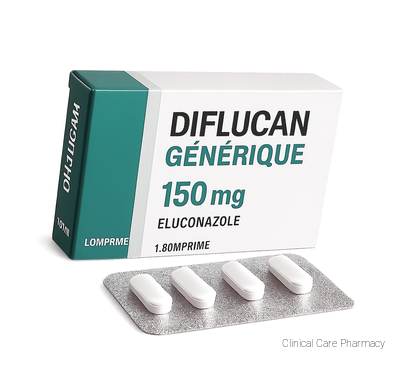
- Is Diflucan available without prescription in the UK?
- What does Pharmacy medicine mean in the UK?
- General information about Diflucan (fluconazole)
- How Diflucan works against fungal infections
- Price and availability information
- Strengths, formulations and pack types
- Common fungal infections treated with Diflucan
- UK legal classification: GSL, P and POM
- Alternatives to Diflucan for fungal infections
- Diflucan compared with other antifungal medicines
- Food, alcohol and dosage considerations
- Side effects and tolerability
- Long-term use and resistance concerns
- Warnings, contraindications and interactions
- Additional information about Diflucan 150 mg
Is Diflucan available without prescription in the UK?
In the UK, Diflucan (fluconazole) is generally classified as a Prescription Only Medicine (POM) for systemic fungal infections. However, some low-dose formulations or lozenge presentations may be available as Pharmacy medicines (P) under strict conditions for the short-term treatment of oropharyngeal candidiasis (thrush) in adults. “Without prescription” does not imply over-the-counter general sales list (GSL) status, but rather supply under the supervision of a pharmacist. Patients can purchase certain Diflucan products from Clinical Care Pharmacy online after completing a consultation questionnaire. This allows for safe, informed “buy”, “purchase” or “order” transactions that meet legal supply requirements. Always confirm classification for specific strengths, pack sizes and indications—they vary significantly.
What does Pharmacy medicine mean in the UK?
The UK divides human medicines into three main legal supply categories: Prescription Only Medicine (POM), Pharmacy medicine (P) and General Sales List (GSL). A Pharmacy medicine can be supplied without a prescription but must remain in a registered pharmacy environment under the oversight of a qualified pharmacist. This approach ensures that professional advice on dosing, interactions and suitability is provided at the point of sale. While “over the counter” often implies unrestricted purchase, only GSL medicines can be sold outside a pharmacy setting. Diflucan, in most presentations, sits in P or POM status, meaning you can buy, purchase or order it online from a pharmacy, but cannot simply pick it up in a supermarket or corner shop without pharmacist involvement.
General information about Diflucan (fluconazole)
What is Diflucan?
Diflucan, with the active pharmaceutical ingredient fluconazole, is an antifungal medication belonging to the azole class. It is widely prescribed for the treatment and prevention of fungal infections, particularly those caused by Candida species. Generic Diflucan contains the same active ingredient and meets regulatory quality standards, offering a more economical option for patients seeking a cheap and generic antifungal solution online. Despite price differences, branded and generic versions are bioequivalent when authorised as interchangeable.
What are azole antifungals?
Azoles inhibit fungal cell membrane synthesis by targeting the enzyme lanosterol 14α-demethylase, crucial for converting lanosterol to ergosterol. Ergosterol is a key component of fungal cell membranes. By disrupting this pathway, fluconazole weakens fungal cells, leading to growth arrest or cell death. Other azole antifungals include itraconazole, ketoconazole and voriconazole, each with distinct spectra of activity, pharmacokinetics and clinical uses.
What is the active ingredient?
Fluconazole is the active pharmaceutical ingredient (API) in Diflucan. UK generic products must match the same fluconazole dosage—commonly 50 mg, 150 mg or 200 mg per capsule or tablet. Excipients, coatings and tablet appearance may differ between manufacturers, but the therapeutic effect remains the same when regulated as equivalent.
Why are some Diflucan tablets gastro-resistant?
While fluconazole is relatively stable in acidic gastric environments, certain formulations may use coatings to optimise absorption, reduce gastric irritation or modify release profiles. Gastro-resistant or delayed-release variants can help maintain more stable drug levels and improve tolerability in sensitive patients.
Is Diflucan an antibiotic?
No. Diflucan is an antifungal, not an antibiotic. It targets eukaryotic fungi rather than prokaryotic bacteria. In some mixed therapy regimens for systemic infections, antifungals and antibiotics may be used concurrently, but their targets and mechanisms differ significantly.
Why is Diflucan used for fungal infections?
Fluconazole’s broad spectrum, favourable safety profile, once-daily dosing and good tissue penetration—including cerebrospinal fluid—make Diflucan a versatile choice for candidiasis (oral, vaginal and systemic), cryptococcal meningitis and prophylaxis in immunocompromised patients. Its predictable pharmacokinetics and the availability of generic options contribute to its widespread use and competitive price in the UK and online markets.
How Diflucan works against fungal infections
What is lanosterol 14α-demethylase?
Lanosterol 14α-demethylase is a cytochrome P450 enzyme found in fungi. It catalyses the removal of the 14α-methyl group from lanosterol, a critical step in the biosynthesis of ergosterol. Without ergosterol, fungal cell membranes become dysfunctional, compromising cell integrity and leading to fungal death or growth inhibition.
How does fluconazole inhibit this enzyme?
Fluconazole binds strongly to the heme iron within lanosterol 14α-demethylase, blocking its substrate binding site. This competitive inhibition prevents the demethylation step, resulting in accumulation of toxic sterol intermediates and depletion of ergosterol. The net effect is a fungistatic action at lower concentrations and fungicidal effects against certain susceptible fungi at higher doses.
Does Diflucan work immediately?
Clinical response depends on infection type, burden and site. For mucocutaneous candidiasis, symptom relief can begin within 24–48 hours of initiating therapy. Systemic infections may require longer treatment courses—often weeks to months—tailored to clinical response, severity and laboratory markers. Always complete the full prescribed course, even if symptoms improve early, to minimise recurrence and resistance development.
Why is dosage important?
Optimal dosing balances efficacy, pharmacokinetics and safety. Under-dosing may lead to suboptimal drug levels, treatment failure and resistance. Over-dosing increases risk of side effects, hepatic enzyme elevations and interactions. Pharmacists at Clinical Care Pharmacy guide appropriate dosing regimens, ensuring patients buy or purchase doses that match treatment indications.
Can fluconazole treat all fungal infections?
Fluconazole is highly effective against many Candida species and Cryptococcus neoformans, but has limited activity against some moulds (e.g., Aspergillus) and non-albicans Candida species that exhibit intrinsic or acquired resistance. For those infections, alternative antifungal classes—echinocandins, amphotericin B or newer azoles—may be required under specialist supervision.
Price and availability information
How much does generic Diflucan cost in the UK?
Prices vary by strength, pack size, retailer and whether you order branded or generic Diflucan. Generic versions often offer the cheapest options, with 150 mg capsules available for under £10 per pack of seven in some online pharmacies. Bulk pack discounts and subscription services can further reduce per-dose price. Clinical Care Pharmacy provides transparent pricing with no hidden fees, highlighting savings when you purchase generic versus branded branded products.
Why can online prices be cheaper?
Online pharmacies operate with lower overheads than high-street retailers and can pass savings to customers. Bulk purchasing, direct supply agreements with manufacturers, and streamlined digital dispensing processes contribute to lower margins. Always confirm that the pharmacy is registered with the MHRA and that products are sourced from licensed UK/EEA manufacturers.
| Example | Strength | Form | Price (GBP) | Status | Note |
|---|---|---|---|---|---|
| Generic Diflucan A | 150 mg | Capsules (7) | £8.99 | Online POM supply | Requires pharmacist review |
| Generic Diflucan B | 50 mg | Tablets (14) | £12.49 | In stock | Bulk buy discounts |
Strengths, formulations and pack types
What strengths of fluconazole exist?
Fluconazole is available in multiple strengths: 50 mg, 100 mg, 150 mg and 200 mg per unit. Indications often determine strength choice: 150 mg single dose for vaginal thrush, 50–100 mg daily for oral thrush or prophylaxis, and 200–400 mg daily for systemic infections under medical supervision.
What formulations are available?
Diflucan is supplied as capsules, tablets and oral suspension. Capsules and tablets offer stability and patient convenience, while suspension (liquid) is used in paediatric or swallowing-difficulty cases. The oral suspension is often flavoured and dosed by volume, facilitating accurate dosing in children and elderly patients.
Why does pack size matter?
Pack size influences legal classification, treatment duration and cost-effectiveness. Small packs (e.g., 7 capsules) may qualify for Pharmacy medicine classification for thrush, whereas larger packs or higher daily dose regimens remain POM. Consumers seeking long-term prophylaxis or systemic therapy will require a valid prescription and larger quantity packs aligned with clinical guidelines.
| Feature | Why it matters |
| Strength | Selects appropriate dose per indication |
| Formulation | Capsule, tablet or suspension affects absorption |
| Pack size | Regulates supply classification and treatment length |
| Legal category | Determines how you can order or buy the medicine |
Are generic and branded Diflucan identical?
Regulatory agencies require generic fluconazole to demonstrate bioequivalence to branded Diflucan. Minor differences in excipients, colour and packaging exist, but therapeutic outcomes should match when authorised as interchangeable. Always verify batch and expiry details when purchasing online for safety assurance.
Common fungal infections treated with Diflucan
What is candidiasis?
Candidiasis is an infection by Candida species, commonly Candida albicans. It can affect mucosal surfaces (oral thrush, vaginal thrush), skin folds, nails (onychomycosis) and, in severe cases, the bloodstream (candidemia). Diflucan offers targeted antifungal activity against most Candida species and is a first-line treatment for many presentations.
What is vaginal thrush?
Vaginal thrush causes itching, discharge and irritation in the genital area. A single 150 mg oral dose of fluconazole is often sufficient for uncomplicated cases, making it a convenient option for women seeking a one-time, cost-effective solution. Products marketed for self-care may be supplied as a Pharmacy medicine following a brief online or in-pharmacy consultation.
What is oral thrush?
Oral thrush presents as white plaques on the tongue, gums and inner cheeks, often accompanied by soreness. Diflucan 50–100 mg daily for 7–14 days is commonly prescribed. Generics can reduce cost, particularly for prolonged courses in immunocompromised patients requiring prophylaxis.
What is systemic candidiasis?
Systemic candidiasis, including bloodstream infections, demands higher daily doses (200–400 mg) and extended therapy (14–42 days), typically under hospital supervision. Diflucan’s intravenous formulation is used in severe cases; oral therapy may follow once clinical stability is achieved.
Is Diflucan used for cryptococcal meningitis?
Yes. High-dose fluconazole (400–800 mg daily) is part of the management of cryptococcal meningitis, especially in resource-limited settings. Its excellent cerebrospinal fluid penetration and favourable safety profile make it suitable for induction and consolidation phases after amphotericin B.
UK legal classification: GSL, P and POM
What is a POM?
Prescription Only Medicine status requires a valid prescription from a qualified prescriber. Most fluconazole strengths and pack sizes for systemic infections are POM. Patients cannot legally purchase these online without submitting a prescription or completing a remote prescriber consultation through a registered pharmacy platform.
What is a Pharmacy medicine?
A Pharmacy medicine can be supplied without a prescription but only under the supervision of a pharmacist. Single-dose 150 mg capsules for vaginal thrush can fall into this category when supplied in small packs with appropriate patient assessment. This ensures professional oversight while allowing convenient access to treatment.
What is a GSL medicine?
No fluconazole product is classified as GSL in the UK. All Diflucan presentations require at least Pharmacy (P) or POM classification due to potential safety issues, interactions and need for correct diagnosis. Other antifungal treatments, such as some topical creams, may be GSL for minor skin infections.
Why can the same active ingredient have different classifications?
Classification depends on strength, pack size, indication and risk profile. Higher doses require medical supervision, while single-dose packs for minor infections can be managed by pharmacists following consultation. This tiered approach balances access with safety and professional advice.
Who regulates medicine classification in the UK?
The Medicines and Healthcare products Regulatory Agency (MHRA) oversees the regulation, licensing and classification of medicines, including periodic reclassification reviews when clinical data support changes in supply status.
Alternatives to Diflucan for fungal infections
What other antifungal classes exist?
- Echinocandins (caspofungin, micafungin, anidulafungin) for systemic candidiasis;
- Allylamines (terbinafine) for dermatophyte infections and onychomycosis;
- Polyene macrolides (amphotericin B) for severe systemic infections;
- Topical azoles (clotrimazole, miconazole) for superficial skin and mucosal infections;
- Newer triazoles (voriconazole, posaconazole) with expanded spectra for resistant pathogens.
Why choose alternatives?
Choice depends on infection site, severity, pathogen susceptibility, patient factors and drug interactions. For example, terbinafine is often preferred for nail fungus, while echinocandins are first-line for invasive candidiasis in critically ill patients. Topical treatments may suffice for mild skin or genital infections without systemic therapy.
Diflucan compared with other antifungal medicines
How does fluconazole compare with itraconazole?
Both are azole antifungals but differ in spectrum and pharmacokinetics. Itraconazole has broader activity against moulds such as Aspergillus but exhibits variable absorption influenced by gastric pH. Fluconazole’s predictable bioavailability and renal excretion simplify dosing in many indications.
How does fluconazole compare with terbinafine?
Terbinafine is an allylamine that inhibits squalene epoxidase, leading to ergosterol deficiency via a different enzymatic route. It accumulates in skin and nails, making it ideal for dermatophyte infections, whereas fluconazole is better suited for candidiasis and cryptococcosis due to its systemic distribution and CSF penetration.
| Feature | Fluconazole | Terbinafine | Clotrimazole (topical) |
| Drug class | Triazole | Allylamine | Azole |
| Main mechanism | Inhibits lanosterol demethylase | Inhibits squalene epoxidase | Inhibits lanosterol demethylase |
| OTC products in UK | Some Pharmacy packs | Yes (topical creams) | Yes (topical creams) |
| Prescription uses | Extensive | Nail and skin infections | Superficial infections |
Is one antifungal always better?
No. Selection depends on clinical context, microbial susceptibility, drug interactions, patient comorbidities and formulation advantages. Professional guidance ensures optimal choice, particularly when ordering online or purchasing generics.
Food, alcohol and dosage considerations
Can diet affect absorption?
Fluconazole absorption is largely unaffected by food. Patients can take capsules or tablets with or without meals, enhancing convenience for adherence. This contrasts with itraconazole, which requires an acidic environment for absorption.
Can alcohol interact with Diflucan?
While moderate alcohol consumption does not directly inhibit fluconazole’s action, both substances are metabolised hepatically. Excessive alcohol intake can strain liver function and potentiate the risk of hepatotoxicity when combined with fluconazole. Patients with alcohol‐related liver disease require careful monitoring.
Is timing important?
Once-daily dosing is standard for most indications. Patients should take fluconazole at approximately the same time each day to maintain consistent drug levels. Weekend dosing schedules may be adjusted by prescribers in long-term prophylaxis regimens.
Does renal impairment affect dosing?
Fluconazole is renally excreted; dose adjustments are necessary in moderate to severe renal impairment. Pharmacists and prescribers collaborate to tailor doses—often reducing frequency or modifying the milligram amount—to avoid accumulation and toxicity.
What about hepatic impairment?
Fluconazole undergoes hepatic metabolism via CYP2C9 and CYP3A4. Severe hepatic disease warrants cautious use, dose modification or alternative therapy. Monitoring of liver enzymes is advisable for prolonged courses.
Side effects and tolerability
Can Diflucan cause side effects?
Common side effects occur in a minority of users and are usually mild. They include gastrointestinal upset (nausea, abdominal pain), headache, dizziness and rash. Generics mirror the branded product’s safety profile. Serious adverse events such as hepatotoxicity and severe hypersensitivity are rare but require prompt medical attention.
| System | Examples |
| Gastrointestinal | Nausea, diarrhoea, abdominal pain, dyspepsia |
| Skin | Rash, pruritus, rare Stevens-Johnson syndrome |
| Nervous system | Headache, dizziness, rarely seizures |
| Hepatic | Elevated transaminases, rare liver failure |
| Hypersensitivity | Angioedema, anaphylaxis (very rare) |
Why are rare effects listed?
Regulated medicine information must include all known or suspected adverse effects across frequency ranges. This transparency helps patients and healthcare professionals recognise warning signs and report pharmacovigilance data.
Are long-term risks different?
Prolonged fluconazole therapy can be associated with cumulative hepatotoxicity, QT prolongation and potential endocrine effects. Regular monitoring is advised for courses longer than two weeks or higher-dose regimens.
Long-term use and resistance concerns
Why is resistance a concern?
Fungal pathogens can develop resistance through mutations in ERG11 (lanosterol demethylase) or efflux pump upregulation. Repeated or inadequate dosing fosters resistant strains, particularly in Candida glabrata and Candida krusei. Stewardship principles apply: use the narrowest effective therapy, appropriate duration and correct dosing to minimise resistance.
Can prolonged use cause tolerance?
Tolerance may emerge with persistent low-level exposure, leading to higher minimum inhibitory concentrations (MICs) over time. Laboratory susceptibility testing can guide therapy adjustments when clinical response declines.
When is prophylactic use appropriate?
High-risk patients (stem cell transplant recipients, neutropenic individuals) may benefit from long-term fluconazole prophylaxis. Dosing protocols and duration are determined by specialist guidelines, balancing benefits against potential resistance and toxicity issues.
Why is medicine review important?
Periodic review ensures continued need, monitors adverse effects and evaluates emerging resistance patterns. Pharmacist and prescriber collaboration is key, especially when ordering online or purchasing large quantities of generic fluconazole.
Warnings, contraindications and interactions
Who should be cautious with Diflucan?
- Patients with severe liver disease;
- Individuals with prolonged QT interval or concomitant QT-prolonging drugs;
- Pregnant or breastfeeding women—risk vs benefit must be assessed;
- People with a history of fluconazole hypersensitivity;
- Patients taking medicines metabolised by CYP2C9, CYP2C19 or CYP3A4.
Can Diflucan interact with other medicines?
Yes. Fluconazole inhibits multiple cytochrome P450 enzymes, raising exposure to drugs such as warfarin, phenytoin and certain statins. Clinically significant interactions are detailed in product information. Always inform your pharmacist or doctor when ordering online about all current medications.
Why is terfenadine contraindicated?
Although terfenadine is largely withdrawn, historical data show fatal arrhythmias when combined with azole antifungals. This exemplifies the importance of monitoring QT-prolonging combinations.
Can Diflucan affect oral contraceptives?
Fluconazole may modestly increase oestrogen levels by inhibiting contraceptive steroid metabolism. It does not reduce effectiveness of combined oral contraceptives, but diligent use of barrier methods is prudent when treating severe infections requiring higher doses.
What about pregnancy and breastfeeding?
Single-dose fluconazole for thrush is generally considered low risk in pregnancy, but repeated or high-dose therapy is associated with rare fetal malformations. Breastfeeding mothers should weigh the benefits of therapy against potential exposure to the infant and consider topical alternatives or medical advice.
Additional information about Diflucan 150 mg
What does “generic Diflucan” mean?
Generic Diflucan contains fluconazole identical to the reference product in API quantity, quality and efficacy. It passes the MHRA’s rigorous generic medicine standards but may differ in appearance, coating and packaging. Generic options often deliver significant cost savings without compromising safety or effectiveness.
Why can two generic products have different leaflets?
Different manufacturers hold separate marketing authorisations with unique Summary of Product Characteristics and patient information leaflets. Variations can occur in excipients, approved indications or pack sizes, even when the active ingredient and dosage form are the same.
What does “POM” vs “P” on the label mean?
“POM” indicates Prescription Only Medicine; “P” indicates Pharmacy medicine. POM products require a prescription or remote consultation with a prescriber, whereas P products can be supplied by a pharmacist following a professional assessment. Neither status allows unsupervised sale in general retail outlets.
Why check exact product information?
Each licensed medicine has specific approved indications, contraindications, warnings and legal classifications. Only the authorised Summary of Product Characteristics and patient leaflet provide definitive details for safe use.
Where can UK medicine information be verified?
Reliable sources include the MHRA website, the electronic Medicines Compendium (emc), NHS Medicines Information and qualified healthcare professionals. Always consult trusted references rather than non-regulated online content.
Does this information replace professional advice?
No. This page is provided by Clinical Care Pharmacy, Unit 4 Brian Clough Business Centre, 200-222 Cotton Lane, Derby, for general educational purposes. For personalised advice on ordering Diflucan, generic or branded, and managing your antifungal therapy, please speak to our pharmacy team.