
Purchase semaglutide cheap generic
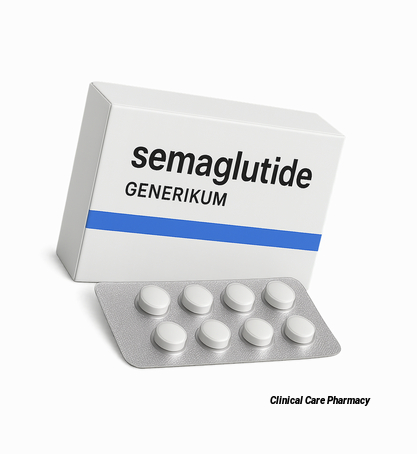
- Is semaglutide available without prescription in the UK?
- What does Prescription Only Medicine mean in the UK?
- General information about semaglutide
- How semaglutide works
- Price and availability information
- Strengths, formulations and pack types
- Uses in type 2 diabetes and weight management
- UK legal classification: POM only
- Alternatives to semaglutide therapy
- Semaglutide compared with other GLP-1 analogues
- Food, exercise and lifestyle considerations
- Side effects and tolerability
- Long-term use and monitoring
- Warnings, contraindications and interactions
- Additional information about generic semaglutide
Is semaglutide available without prescription in the UK?
Semaglutide is a high-cost, high-impact medicine approved for use in type 2 diabetes and chronic weight management. In the United Kingdom, semaglutide is classified as a Prescription Only Medicine (POM). You cannot legally purchase semaglutide without a valid prescription issued by a qualified healthcare professional. However, customers often seek generic semaglutide, hoping to purchase lower-cost alternatives from licensed online pharmacies or international sources. It is essential to understand UK regulations: no authorised semaglutide formulations are available over the counter or as General Sales List (GSL) or Pharmacy (P) medicines.
What does Prescription Only Medicine mean in the UK?
The MHRA regulates the legal classification of medicines in the UK. Prescription Only Medicines (POM) must be supplied against a valid prescription from an authorised prescriber. This classification applies to semaglutide because of its potent pharmacological effects, potential side-effect profile and need for dosage titration and monitoring. POM status ensures that professional oversight guides patient selection, dose adjustments, therapy duration and safety considerations.
General information about semaglutide
What is semaglutide?
Semaglutide is a synthetic analogue of human glucagon-like peptide-1 (GLP-1). It mimics the incretin hormone GLP-1, which is released by intestinal L-cells in response to food intake. Semaglutide binds to GLP-1 receptors, stimulating insulin secretion, inhibiting glucagon release, delaying gastric emptying and promoting satiety. It is available as subcutaneous injection pens under brand names such as Ozempic, Wegovy and Rybelsus (oral), and generic semaglutide presentations have emerged following patent expiry in certain markets.
What is GLP-1?
Glucagon-like peptide-1 (GLP-1) is an endogenous peptide hormone produced postprandially by the intestinal mucosa. It enhances pancreatic β-cell insulin secretion in a glucose-dependent manner, suppresses hepatic glucagon secretion, slows gastric emptying and reduces appetite. GLP-1 has a short half-life due to rapid degradation by dipeptidyl peptidase-4 (DPP-4). Semaglutide is engineered for prolonged action, resistant to DPP-4, enabling once-weekly dosing for injectable formulations.
What are the active and inactive components?
The active ingredient is semaglutide. Generic semaglutide products must contain the same peptide sequence and meet bioequivalence standards. Inactive ingredients vary by manufacturer and may include water for injection, sodium chloride, disodium phosphate dihydrate, and hydrochloric acid or sodium hydroxide to adjust pH in injectable solutions. Oral tablets include excipients such as microcrystalline cellulose, sodium stearyl fumarate and methacrylic acid copolymer for delayed-release formulations.
Why is semaglutide used for weight management?
By mimicking GLP-1 effects, semaglutide decreases appetite, increases satiety and reduces caloric intake. In clinical trials, semaglutide has demonstrated superior weight loss compared with placebo or other agents when combined with lifestyle interventions. For weight management, higher doses (e.g., 2.4 mg once weekly) are recommended under specialist supervision after type 2 diabetes dosing protocols.
How semaglutide works
What happens after injection?
After subcutaneous injection, semaglutide is slowly absorbed into the bloodstream. Peak plasma concentrations occur approximately 1–3 days post-dose. The extended half-life (~7 days) allows once-weekly administration. Semaglutide binds GLP-1 receptors on pancreatic β-cells, potentiating insulin secretion only when glucose levels are elevated, reducing the risk of hypoglycaemia. It also acts on central nervous system pathways in the hypothalamus to modulate appetite and satiety signals.
How does semaglutide affect gastric emptying?
Semaglutide delays gastric emptying by slowing gut motility, leading to prolonged gastric distension and signals of fullness. This contributes to weight loss but can also cause gastrointestinal side effects such as nausea, vomiting and early satiety, especially during dose escalation.
Does semaglutide change blood glucose control?
Yes. In type 2 diabetes management, semaglutide improves glycaemic control by increasing insulin secretion, suppressing glucagon, reducing postprandial glucose excursions and lowering HbA1c. In non-diabetic obesity treatment, glycaemic effects are milder but still beneficial for metabolic health.
What is the difference between subcutaneous and oral semaglutide?
Subcutaneous formulations (Ozempic, Wegovy) bypass the gastrointestinal tract and avoid first-pass metabolism, offering predictable pharmacokinetics. Oral semaglutide (Rybelsus) uses absorption enhancers such as SNAC to facilitate uptake in the stomach, but is sensitive to food and requires specific administration instructions (fasted state, water only, wait 30 minutes before a meal or other medications).
Price and availability information
How much does semaglutide cost in the UK?
Brand-name semaglutide (Ozempic, Wegovy, Rybelsus) is relatively expensive on the NHS and private market. Many patients seek cheaper generic semaglutide from online pharmacies, often importing from markets where generics are authorised. Prices vary according to dosage strength, pack size and source. This page provides indicative examples; actual prices may differ. For current availability and exact pricing, please contact Clinical Care Pharmacy in Derby.
Why can prices vary between suppliers?
Generic semaglutide pricing reflects manufacturing costs, regulatory approvals, import duties, shipping and pharmacy mark-ups. Lower prices do not necessarily compromise quality if the supplier is MHRA-licensed or accredited by recognized regulatory agencies.
| Example | Strength | Formulation | Price (GBP) | Status | Note |
|---|---|---|---|---|---|
| Generic A | 1 mg per dose | Subcutaneous pen, 4 pens | £199.00 | Online order | Import from EU distributor |
| Generic B | 0.5 mg per dose | Subcutaneous pen, 8 pens | £249.00 | Online order | Cheaper pack with dose titration |
| Oral Generic C | 7 mg tablets | 28 tablets | £179.00 | Online order | Fast-release formulation |
Strengths, formulations and pack types
What dosage strengths exist?
Semaglutide injectable pens are available in dosage strengths for titration: 0.25 mg, 0.5 mg, 1 mg, 1.7 mg and 2.4 mg per week. Initial therapy often starts at 0.25 mg weekly, increasing gradually over 4-8 weeks to reduce gastrointestinal side effects. Oral formulations (Rybelsus generic) come in 3 mg, 7 mg and 14 mg once-daily tablets.
Why does titration matter?
Slow dose escalation improves tolerability by allowing the body to adapt to delayed gastric emptying and central appetite modulation. Sudden high doses can cause severe nausea, vomiting and potential dehydration.
What pack sizes are offered?
Injectable pens are sold in multi-pack cartons, each pen containing multiple doses (e.g., 2 mL delivering 1.5 mg total at 0.25 mg/dose). Oral tablets are usually supplied in blister packs of 28 or 30 tablets for monthly treatment cycles.
| Feature | Why it matters |
| Dosage strength | Determines weekly GLP-1 receptor activity |
| Formulation | Injection vs oral affects pharmacokinetics |
| Pack size | Affects treatment duration and supply chain |
| Titration schedule | Optimizes tolerability and efficacy |
| Regulatory status | Prescription requirement and import regulations |
Are generic and branded semaglutide identical?
Generic semaglutide contains the same peptide sequence and must meet bioequivalence standards. Differences may include pen mechanics, cartridge design, injection needles, excipients and packaging. Always verify product authenticity and regulatory approvals when purchasing online.
Uses in type 2 diabetes and weight management
What is the approved indication for diabetes?
In type 2 diabetes mellitus, semaglutide is used as an adjunct to diet and exercise to improve glycaemic control. It can be used alone or in combination with other antidiabetic agents such as metformin, sulfonylureas, SGLT2 inhibitors or basal insulin.
What is the approved indication for weight loss?
Semaglutide 2.4 mg weekly is approved for chronic weight management in adults with obesity (BMI ≥30 kg/m2) or overweight (BMI ≥27 kg/m2) with at least one weight-related comorbidity. Treatment is indicated as part of a comprehensive lifestyle intervention programme.
How effective is semaglutide?
Clinical trials report average weight loss of 10–15% of baseline body weight over 68 weeks with semaglutide 2.4 mg, compared with placebo. HbA1c reductions of 1.0–1.5 percentage points are typical in type 2 diabetes populations.
Who is unsuitable for semaglutide therapy?
Patients with type 1 diabetes, diabetic ketoacidosis, severe gastroparesis or personal/family history of medullary thyroid carcinoma should not use semaglutide. Contraindications must be checked against product information for both branded and generic formulations.
UK legal classification: POM only
Why is semaglutide POM?
Semaglutide requires professional oversight due to potential adverse effects, dose titration, need for medical monitoring and risk of serious events like pancreatitis or thyroid tumours. As a POM, supply is restricted to pharmacies on receipt of a valid prescription.
Can UK patients import generic semaglutide?
Under the UK personal importation scheme, patients may import a three-month supply of semaglutide for personal use with a valid prescription. Online pharmacies offering generics must verify importer licences and compliance with UK border regulations.
Who regulates semaglutide?
The MHRA and NICE (National Institute for Health and Care Excellence) guide semaglutide’s availability, prescribing indications and cost-effectiveness on the NHS.
Alternatives to semaglutide therapy
Other GLP-1 receptor agonists
- Liraglutide (Victoza, Saxenda): daily injection;
- Dulaglutide (Trulicity): weekly injection;
- Exenatide (Byetta, Bydureon): twice daily or weekly injection;
- Lixisenatide (Lyxumia): daily injection.
Non-incretin therapies
Alternatives include SGLT2 inhibitors, DPP-4 inhibitors, sulfonylureas, insulin preparations and newer obesity agents such as bupropion/naltrexone. Dietary and physical activity interventions remain foundational.
Semaglutide compared with other GLP-1 analogues
How does semaglutide compare with liraglutide?
Semaglutide has a longer half-life, allowing once-weekly dosing vs daily for liraglutide, and may achieve greater weight loss and HbA1c reduction. Both share similar safety profiles but semaglutide’s dosing regimen enhances adherence.
How does semaglutide compare with dulaglutide?
Dulaglutide is also once-weekly but less potent on a mg-to-mg basis; semaglutide often delivers greater efficacy in head-to-head trials for weight loss and glycaemic control.
| Feature | Semaglutide | Liraglutide | Exenatide |
| Administration | Once weekly | Once daily | Twice daily or weekly |
| Weight loss | 10–15% avg. | 6–8% avg. | 4–6% avg. |
| Glycaemic control | –1.2 to –1.8% HbA1c | –1.0 to –1.5% HbA1c | –0.8 to –1.2% HbA1c |
| Hypoglycaemia risk | Low (monotherapy) | Low (monotherapy) | Low (monotherapy) |
Is one GLP-1 analogue always best?
No. Choice depends on individual patient factors, comorbidities, cost, availability and tolerance. Specialist guidance helps tailor therapy to specific needs.
Food, exercise and lifestyle considerations
Dietary recommendations
Patients on semaglutide benefit from balanced, nutrient-dense meals, portion control and avoidance of trigger foods that exacerbate nausea. Small, frequent meals can reduce gastrointestinal discomfort.
Exercise and weight maintenance
Regular physical activity enhances weight loss, preserves lean muscle mass and improves cardiovascular outcomes. Semaglutide plus exercise yields synergistic benefits.
Alcohol consumption
Alcohol can impair glycaemic control and interact with semaglutide’s effects on satiety and gastric emptying. Moderation is advised.
Smoking cessation
Smoking may influence appetite regulation and cardiovascular risk. Quitting smoking is recommended as part of holistic management.
Side effects and tolerability
Common side effects
| Area | Examples |
| Gastrointestinal | Nausea, vomiting, diarrhoea, constipation, dyspepsia |
| Central | Headache, fatigue |
| Injection site | Redness, itching, discomfort |
Serious adverse events
Pancreatitis, gallbladder disease, renal impairment secondary to dehydration, hypoglycaemia when combined with sulfonylureas or insulin. Thyroid C-cell tumours observed in rodents; clinical significance in humans unclear.
Management of side effects
Initiate slow titration, take semaglutide at consistent times, maintain hydration, adjust diet to bland, low-fat foods. Seek medical advice for persistent or severe reactions.
Long-term use and monitoring
Why monitor patients?
Regular review of glycaemic control, weight, renal function, thyroid status and nutritional status is essential. Long-term safety data support continuous use with periodic evaluation.
Bone health considerations
Rapid weight loss can affect bone density. Calcium and vitamin D supplementation may be recommended for at-risk individuals.
Duration of therapy
Indefinite treatment may be appropriate for chronic conditions. Withdrawal can lead to weight regain or loss of glycaemic control; tapering should be guided by a specialist.
Warnings, contraindications and interactions
Who should not use semaglutide?
- Patients with type 1 diabetes;
- History of medullary thyroid carcinoma or MEN2 syndromes;
- Severe gastrointestinal disease (e.g., gastroparesis);
- Severe renal or hepatic impairment;
- Pregnancy and breastfeeding unless benefits outweigh risks.
Drug interactions
Semaglutide delays gastric emptying, which may affect absorption of oral medications such as warfarin, oral contraceptives and levothyroxine. Close monitoring and dose adjustments may be required.
Why is personal medical review important?
Comprehensive evaluation of comorbidities, concomitant medications and risk factors ensures safe and effective use. Personalized advice from healthcare professionals remains essential.
Additional information about generic semaglutide
What does “generic semaglutide” mean?
Generic semaglutide contains the same active peptide sequence as brand-name products and must demonstrate bioequivalence. Inactive ingredients, delivery device and packaging may differ, but therapeutic effects should be equivalent.
Why verify product authenticity?
Online markets may include unlicensed or counterfeit products. Check that your supplier holds an MHRA import or distribution licence and that products are accompanied by appropriate documentation.
Storage and handling
Semaglutide pens should be stored refrigerated at 2–8°C before first use and can be kept at room temperature (below 30°C) for up to 6 weeks after first use. Protect from light and freeze-thaw cycles.
Injection technique
Rotate injection sites (abdomen, thigh, upper arm) to reduce local skin reactions. Use each pen only for the prescribed number of doses and dispose of sharps according to local regulations.
Where to verify UK medicine information?
Consult the MHRA website, electronic Medicines Compendium or speak to a qualified pharmacist. Always rely on official sources rather than anecdotal online claims.
Does this information replace professional advice?
No. Clinical Care Pharmacy provides this information for general guidance. For personalized recommendations on buying generic semaglutide online, dosing schedules, safety monitoring and legal considerations, contact the pharmacy team at Unit 4 Brian Clough Business Centre, 200-222 Cotton Lane, Derby, or consult your healthcare provider.